

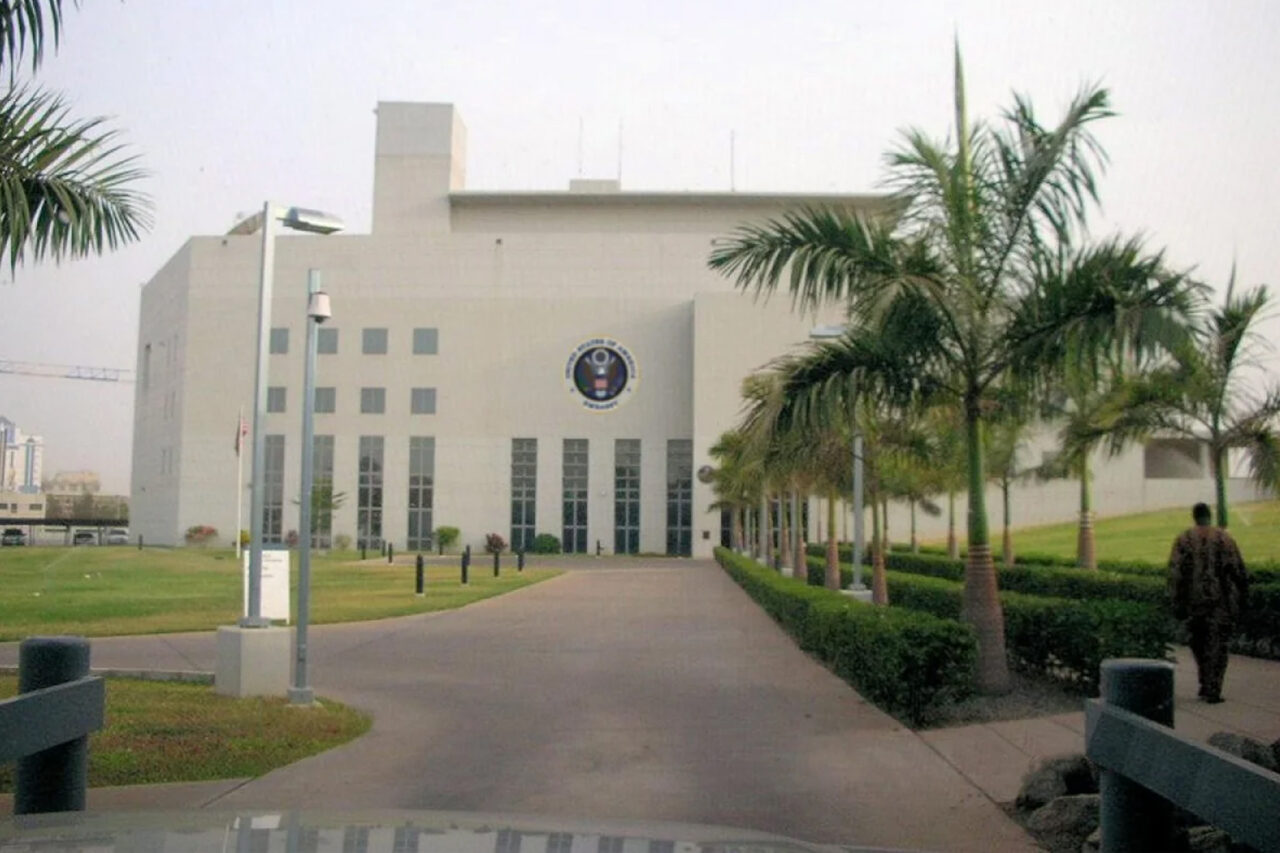
The United States government has ordered the departure of some of its embassy personnel from Abuja, citing a deteriorating and unpredictable security situation across Nigeria.
The directive, contained in a revised travel advisory issued by the US Department of State, affects non-essential staff and their dependents as Washington moves to reduce exposure to growing risks.
“The security situation requires continuous monitoring, and we have taken steps to reduce personnel exposure,” the advisory noted.
Nigeria remains at Level 3, with the State Department urging Americans to reconsider travel. However, the latest update places 23 states under Level 4—the highest warning level—signalling a significant expansion of areas considered unsafe.
States newly added to the highest-risk category include Plateau, Jigawa, Kwara, Niger and Taraba, reflecting what analysts describe as the widening spread of insecurity beyond traditional hotspots.
The advisory warned of multiple and overlapping threats, including terrorism, kidnapping, organized crime, and communal violence. It noted that attacks could occur without warning and may target both public and private locations, including transport routes and crowded areas.
While much of the concern has historically focused on the North-East insurgency, the US government said risks are now more widespread. In the North-West, armed groups continue to carry out mass kidnappings and village raids, while parts of the North-Central have recorded a rise in violent attacks.
The North-East remains volatile, with ongoing operations against insurgent groups such as Boko Haram and the Islamic State West Africa Province (ISWAP), even as recent incidents point to renewed attacks on both military and civilian targets.
Southern Nigeria was not spared in the assessment. The advisory highlighted persistent criminal threats, particularly kidnapping and armed gang activity, across parts of the South.
It also pointed to systemic challenges that could worsen the situation for travelers, including limited emergency response capacity and gaps in healthcare services.
Although the move stops short of a full diplomatic withdrawal, the reduction in embassy staff signals growing international concern about Nigeria’s security landscape.
In recent months, several incidents have underscored these fears, including deadly attacks in rural communities, highway abductions and assaults on security formations. The trend has raised fresh questions about the country’s ability to contain the spread of violence across regions.
This is not the first time the United States has adjusted its diplomatic posture in Nigeria. However, the breadth of the latest advisory suggests a deeper level of concern, with implications for foreign investment, international travel and Nigeria’s global image.
Despite ongoing military operations, the security situation remains fluid, with authorities under increasing pressure to stem the tide of violence and restore public confidence.