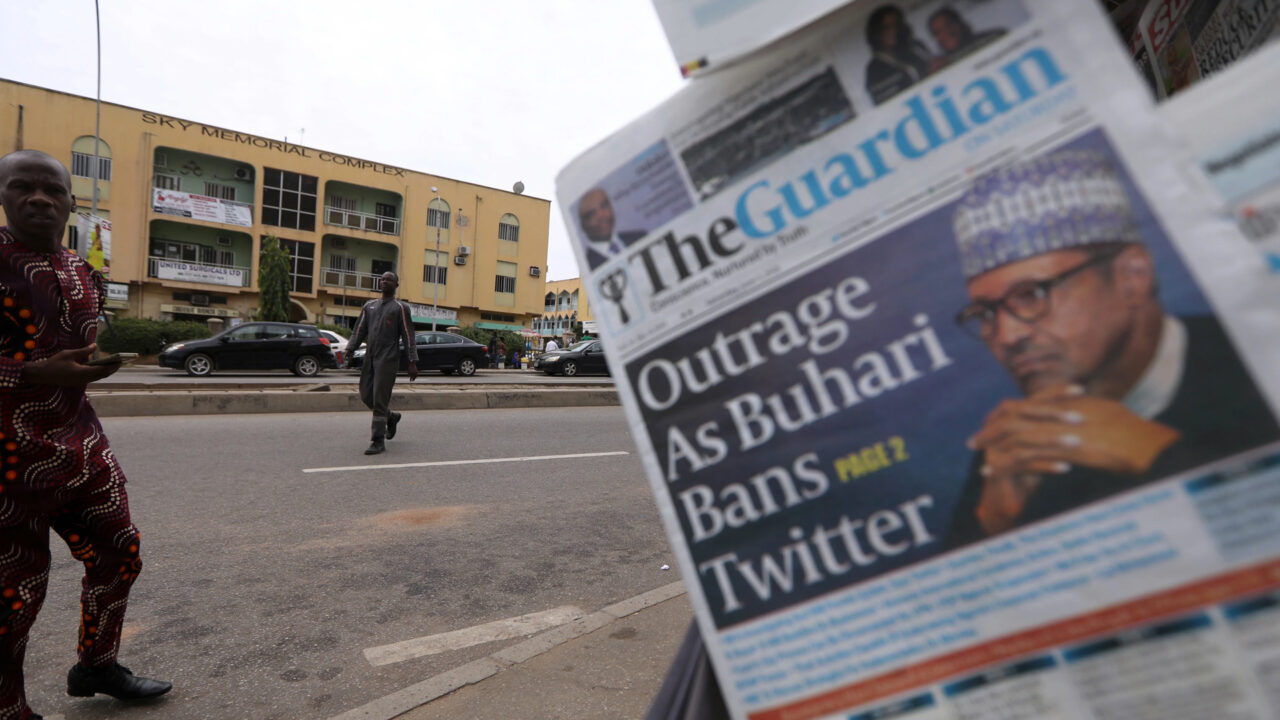
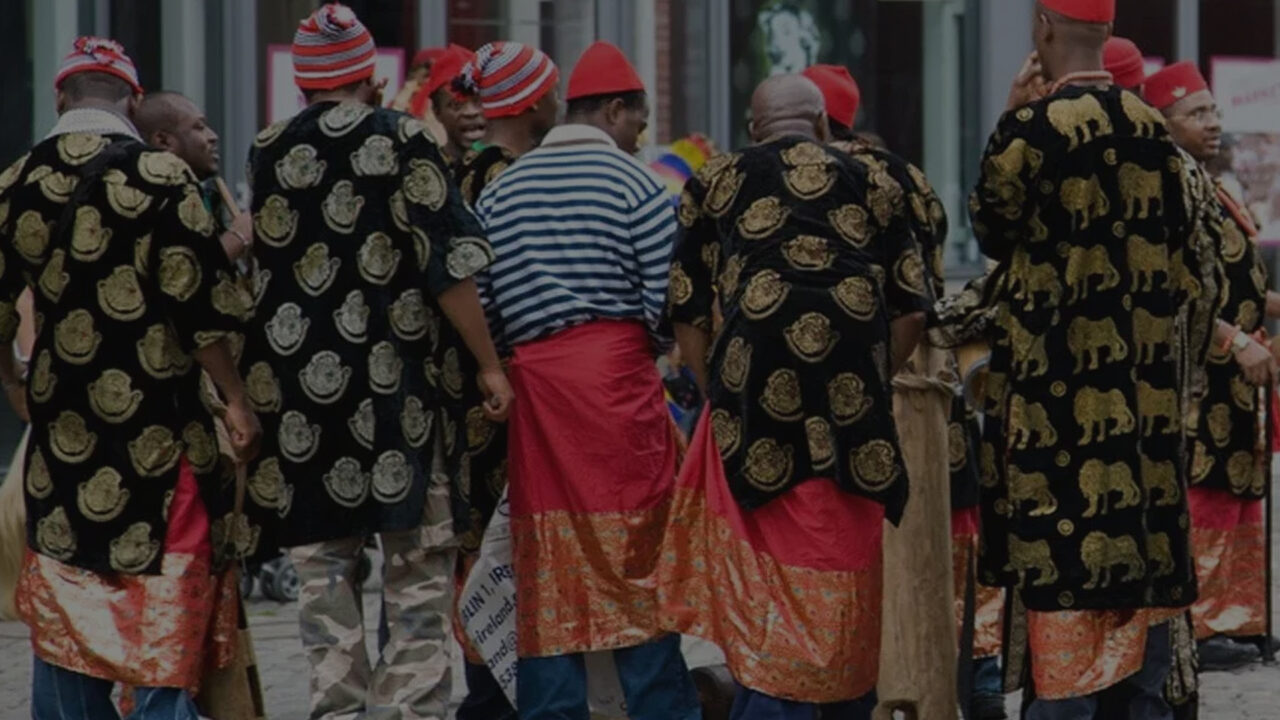
Difference Is Not Deficiency: Why the Igbo Language Deserves a Fairer Hearing

“Grammar alone does not define a language.” —Dr. Declan Onwudiwe When Nobel Laureate Wole Soyinka recently described the Igbo language as “tortuous,” particularly compared with the perceived musicality of Yorùbá, he reignited a conversation that extends far beyond linguistics. The issue is not whether Professor Soyinka has the right to express his view. His immense contributions to African literature and intellectual life are undeniable. The more important question is whether such a characterization accurately captures...
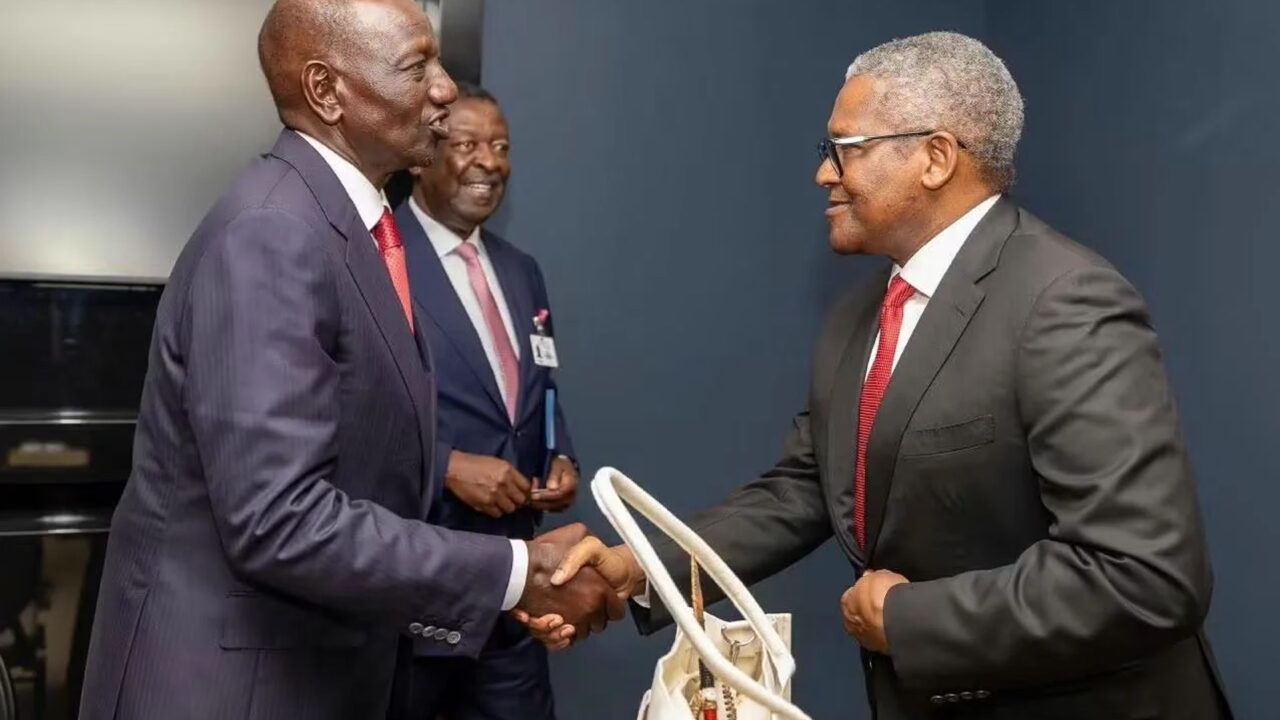
Kenya’s Dangote Paradox: Restricting African Traders While Welcoming African Billions

“Africa cannot compete with continental economic powers while retreating into 54 protected markets.” —Dr. Anthony Obi Ogbo Kenya’s embrace of Dangote’s $16 billion refinery exposes a continental contradiction: Africa cannot preach integration, restrict African entrepreneurs, and still expect African capital to cross its borders. Kenya has just delivered one of Africa’s most revealing economic contradictions. In September, President William Ruto’s government intensified restrictions on foreigners operating small retail businesses, arguing that certain opportunities should be...

When Nigeria and Italy led a $5 billion global education financing campaign

“Education financing should recognize the particular needs of disadvantaged communities” —Olalekan A. Babatunde Last week, on 23 September 2026, Nigeria and Italy strengthened their partnership to mobilize US$5 billion for global education financing over the 2026-2030 period through the Global Partnership for Education (GPE). The announcement was made at a high-level event in New York on the margins of the 81st United Nations General Assembly. This comes with the additional ambition of unlocking US$10 billion...

2026 Peace Day: Peace Begins in the Classroom

“The classroom is Nigeria’s miniature society” —Olalekan A. Babatunde Nigeria’s education system has a funding gap that deserves urgent national attention. At one end of the education spectrum is basic education, supported by a statutory intervention mechanism through the Universal Basic Education Commission (UBEC). At the other end is tertiary education, where the Tertiary Education Trust Fund (TETFund) has become an important instrument for supporting universities, polytechnics, and colleges of education. Today is the International...

Social Media Citizen Journalists Have Seized Nigeria’s Newsroom

“From viral abuse videos to police arrests, Nigeria’s social-media creators are breaking stories, forcing action, and challenging a traditional press that once controlled the national conversation.” Without doubt, Nigeria’s online citizen journalists have overpowered and subdued the traditional media in both breaking and investigating news prowess. The evidence increasingly arrives not from a newsroom, but from an ordinary Nigerian holding a smartphone. Just recently, the Anambra police arrested 36-year-old Anulika Onyeanusia after a disturbing video...

Nigeria’s Private Media at 30: Louder, Freer, but Weaker?

I wrote in USAfrica Online in 1996 that Nigeria’s broadcasting industry was at a crossroads. While state television continued to dominate the airwaves, several newly licensed private broadcasting stations were trying to find space despite significant startup costs and a military government uncertain about what the future held for them. At the time, the big question was whether private radio and television would be able to establish themselves at all. Thirty years later, with a...

Clubs to Catalysts: Reimagining the Nigerian Diaspora Organization

Nigerian social clubs, cultural organizations, and town unions meet every weekend in dozens of U.S. cities, including Houston, Atlanta, Chicago, and others. At these meetings, there is food (jollof rice), cloth (aso ebi), and joyous laughter, along with inevitable levies for funerals, weddings, or other projects back in Nigeria. These organizations — People’s Club of Nigeria International, Umuada Igbo, Ndi-Ichie Cultural Association, Omo Oduduwa, Zumunta Association, and hundreds of town unions formed around villages and...

The Missing Middle: Who Will Fund Nigeria’s Senior Secondary Education?  

“We cannot build a strong tertiary education system on a weak senior secondary foundation” —Olalekan A. Babatunde Nigeria’s education system has a funding gap that deserves urgent national attention. At one end of the education spectrum is basic education, supported by a statutory intervention mechanism through the Universal Basic Education Commission (UBEC). At the other end is tertiary education, where the Tertiary Education Trust Fund (TETFund) has become an important instrument for supporting universities, polytechnics,...

When the North Begins to Speak: Insecurity, Elite Failure, and Nigeria’s Unfinished Question

“What we cannot afford to disagree on is the value of a Nigerian life” —Dr. Declan Onwudiwe In one of my previous op-eds in Pilot News, I exhorted President Bola Tinubu to release Nnamdi Kanu. I made that call as a scholar of terrorism and political violence, but his release did not happen. Today, I argue that Mazi Nnamdi Kanu’s broadcasts may, paradoxically, have done more to draw attention to the predicament of ordinary Hausa...

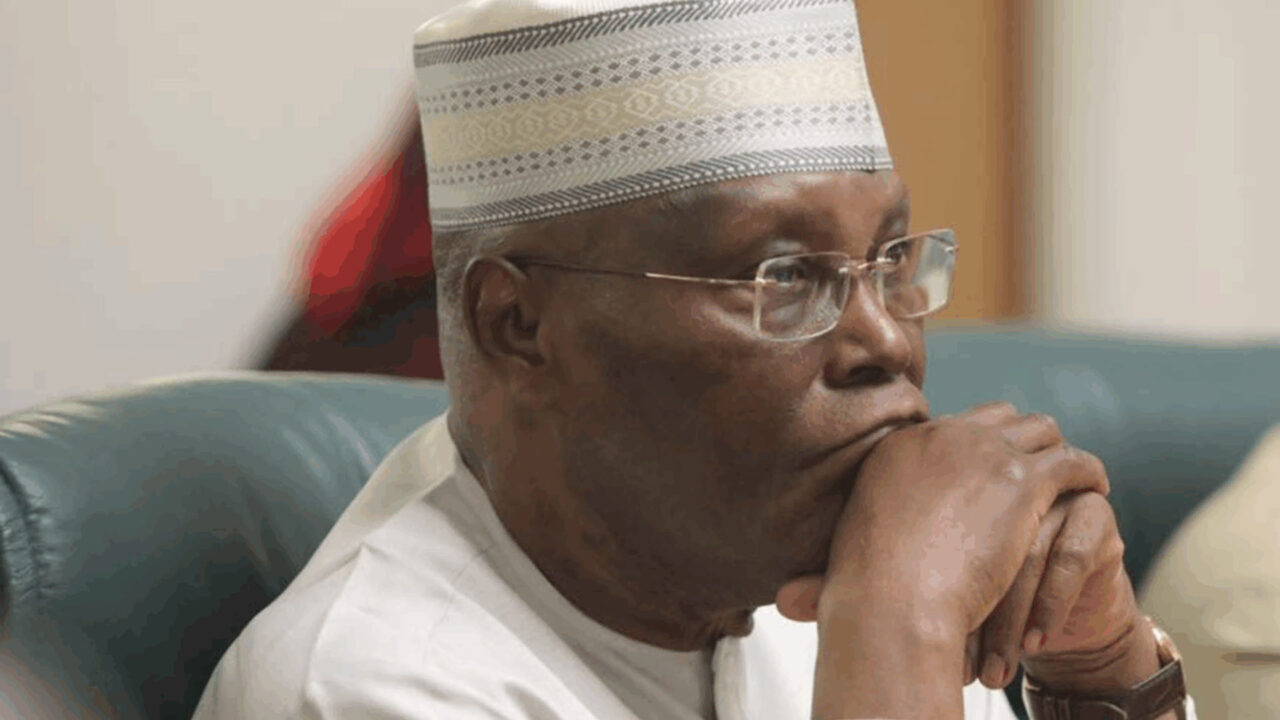
The Fuel Subsidy’s Proposition is not Well “Atikulated”

“Atiku has spoken. Now, he needs to Atikulate” —Olalekan A. Babatunde Former Vice President and presidential candidate of the African Democratic Congress (ADC), Alhaji Atiku Abubakar, has once again placed the politically combustible issue of petroleum subsidy at the center of Nigeria’s national conversation. His recent declaration that he would restore a “targeted subsidy” if elected president in 2027 has generated excitement among those crushed by the rising cost of living, while simultaneously raising serious...

WP2Social Auto Publish Powered By : XYZScripts.com