Social Media Citizen Journalists Have Seized Nigeria’s Newsroom

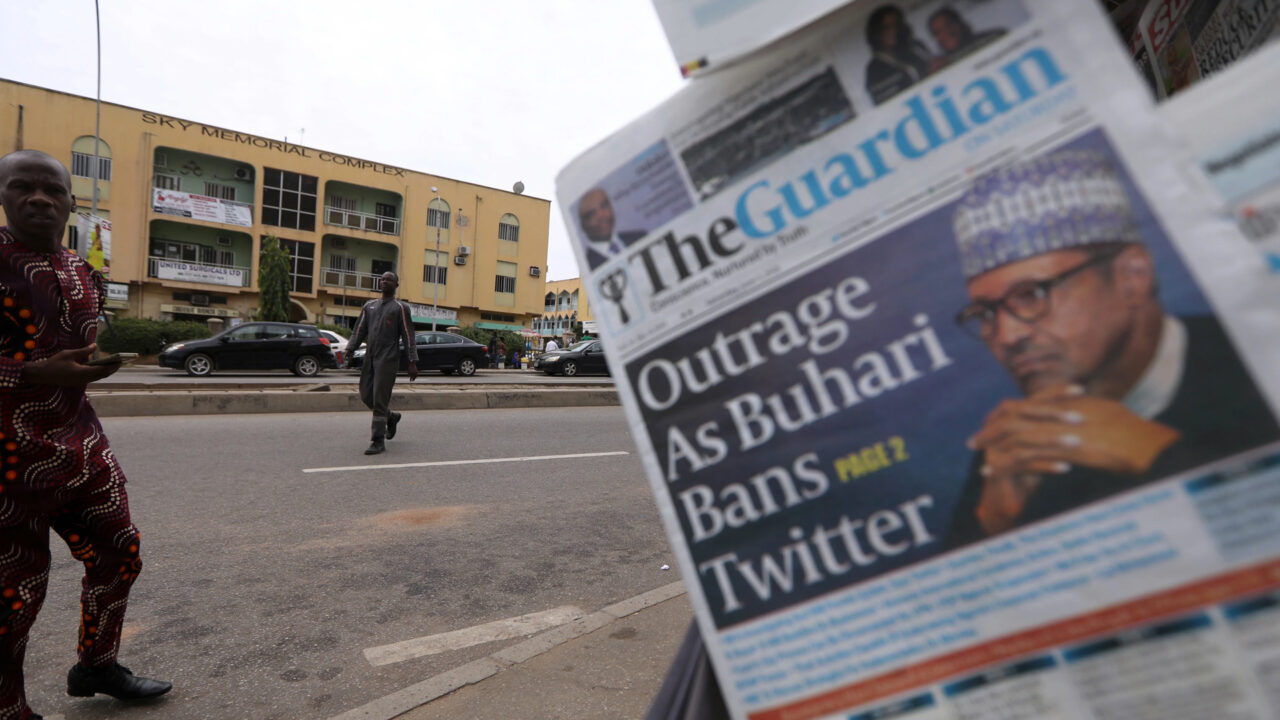
“From viral abuse videos to police arrests, Nigeria’s social-media creators are breaking stories, forcing action, and challenging a traditional press that once controlled the national conversation.” Without doubt, Nigeria’s online citizen journalists have overpowered and subdued the traditional media in both breaking and investigating news prowess. The evidence increasingly arrives not from a newsroom, but from an ordinary Nigerian holding a smartphone. Just recently, the Anambra police arrested 36-year-old Anulika Onyeanusia after a disturbing video...

Nigeria’s Private Media at 30: Louder, Freer, but Weaker?

I wrote in USAfrica Online in 1996 that Nigeria’s broadcasting industry was at a crossroads. While state television continued to dominate the airwaves, several newly licensed private broadcasting stations were trying to find space despite significant startup costs and a military government uncertain about what the future held for them. At the time, the big question was whether private radio and television would be able to establish themselves at all. Thirty years later, with a...

Clubs to Catalysts: Reimagining the Nigerian Diaspora Organization

Nigerian social clubs, cultural organizations, and town unions meet every weekend in dozens of U.S. cities, including Houston, Atlanta, Chicago, and others. At these meetings, there is food (jollof rice), cloth (aso ebi), and joyous laughter, along with inevitable levies for funerals, weddings, or other projects back in Nigeria. These organizations — People’s Club of Nigeria International, Umuada Igbo, Ndi-Ichie Cultural Association, Omo Oduduwa, Zumunta Association, and hundreds of town unions formed around villages and...

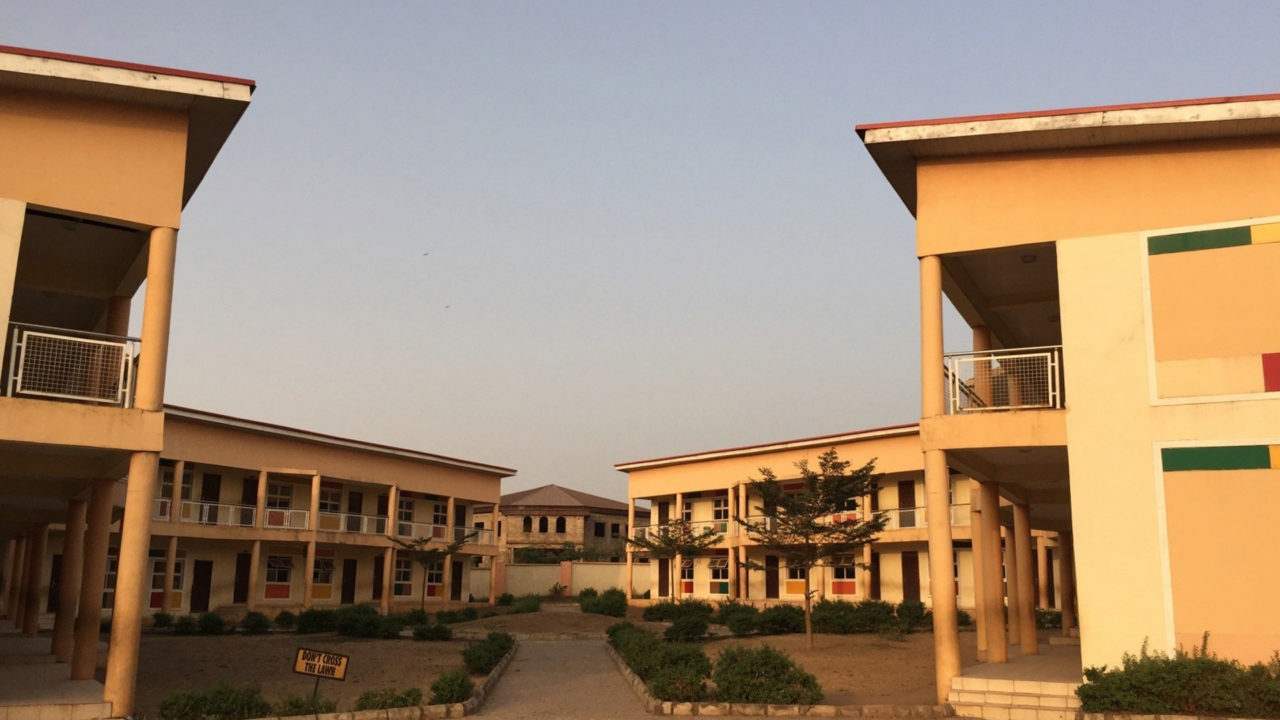
The Missing Middle: Who Will Fund Nigeria’s Senior Secondary Education?  

“We cannot build a strong tertiary education system on a weak senior secondary foundation” —Olalekan A. Babatunde Nigeria’s education system has a funding gap that deserves urgent national attention. At one end of the education spectrum is basic education, supported by a statutory intervention mechanism through the Universal Basic Education Commission (UBEC). At the other end is tertiary education, where the Tertiary Education Trust Fund (TETFund) has become an important instrument for supporting universities, polytechnics,...

When the North Begins to Speak: Insecurity, Elite Failure, and Nigeria’s Unfinished Question

“What we cannot afford to disagree on is the value of a Nigerian life” —Dr. Declan Onwudiwe In one of my previous op-eds in Pilot News, I exhorted President Bola Tinubu to release Nnamdi Kanu. I made that call as a scholar of terrorism and political violence, but his release did not happen. Today, I argue that Mazi Nnamdi Kanu’s broadcasts may, paradoxically, have done more to draw attention to the predicament of ordinary Hausa...

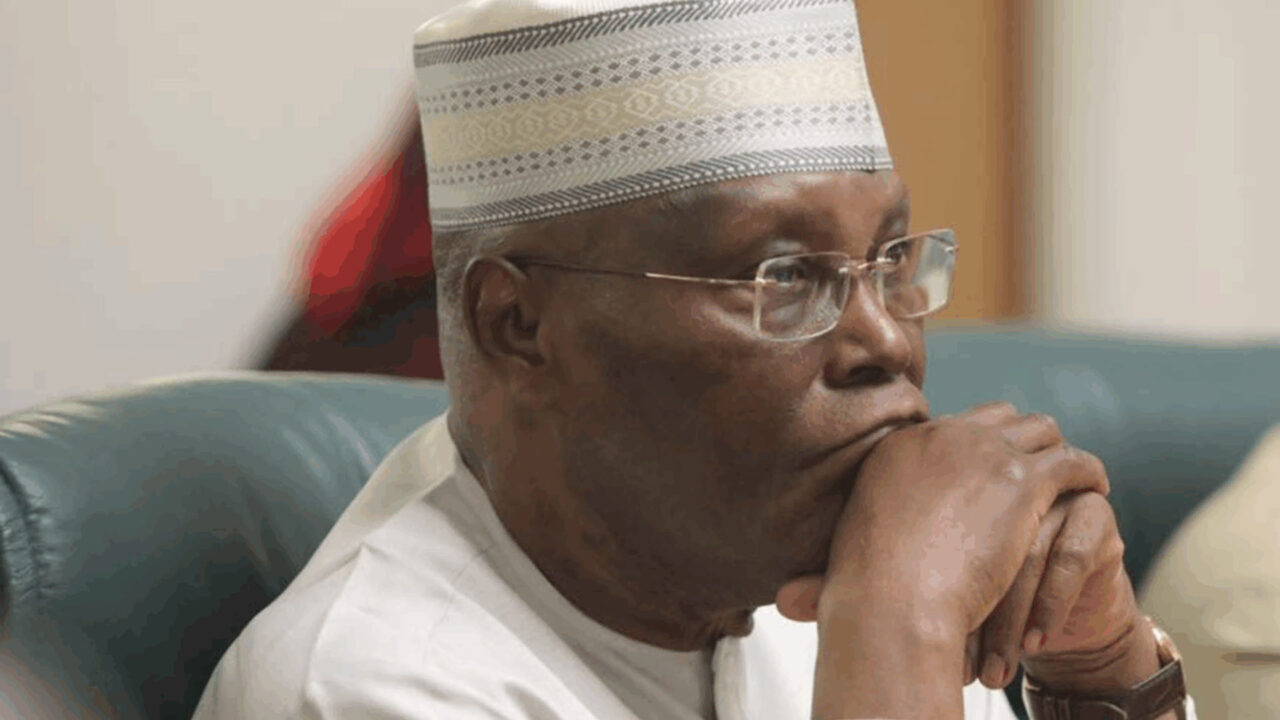
The Fuel Subsidy’s Proposition is not Well “Atikulated”

“Atiku has spoken. Now, he needs to Atikulate” —Olalekan A. Babatunde Former Vice President and presidential candidate of the African Democratic Congress (ADC), Alhaji Atiku Abubakar, has once again placed the politically combustible issue of petroleum subsidy at the center of Nigeria’s national conversation. His recent declaration that he would restore a “targeted subsidy” if elected president in 2027 has generated excitement among those crushed by the rising cost of living, while simultaneously raising serious...

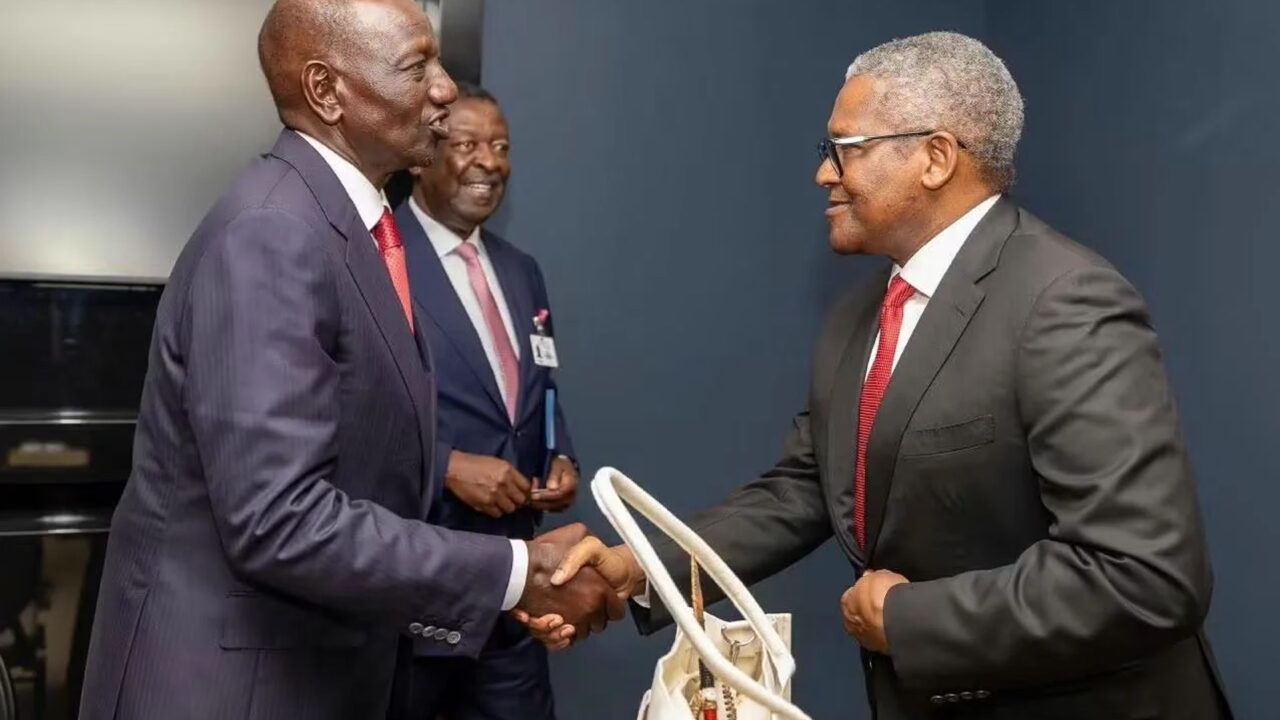
The Presidency, Catholic Bishops and the Struggle for a Better Nigeria

Quite recently, a delegation of the Catholic Bishops Conference of Nigeria (CBCN) paid a courtesy visit to President Bola Ahmed Tinubu (PBAT) at the Aso Rock Presidential Villa in Abuja. During the visit, the Catholic bishops had presented a detailed and objective assessment of Nigeria’s state of affairs to the President. According to reports, the assessment appeared not to have gone down well with the President who is said to have disagreed with the position...

One Nation, Many Gateways: Why Nigeria Needs Seaports in the Southeast

“It is imperative to pursue bold policy choices” —Dr. Declan Onwudiwe I would argue that a country as large and ambitious as Nigeria cannot afford to route most of its maritime commerce through a single gateway. Therefore, Nigeria needs to build modern seaports in southeastern Nigeria, not as an act of regional favoritism but as a national economic imperative. New ports would reduce logistics costs, ease congestion in Lagos, attract investment, stimulate manufacturing, create jobs,...

Why Biafra Has Not Come (Part II) – Fundamentally Flawed Reluctance To Rebound

Our analysis of this topic was not originally intended to constitute a two-part series. However, following the publication of what now passes as the first part a few days ago, post-publication reactions and interest from readers, friends, and colleagues eventually crystallized into a demand for a second part; hence the decision to create a second and final part of the series to satisfy that demand. Accordingly, while the first part dwelt on the assumptions that...

Why Biafra Has Not Come – The Reality of Post-Civil War Struggle

As Nigeria’s socioeconomic and political shenanigans continue, separatist and secessionist agitations are becoming increasingly popular among many beleaguered Nigerians as a possible way to navigate the muddle. Historically, agitations for the emergence of a sovereign state of Biafra have been recurring in Nigeria’s journey to nationhood, culminating in a bloody 30-month civil war. However, despite sustained attempts by successive generations of Biafran ideologues to re-midwife the defunct Igbo-dominated state into existence, Biafra has refused to...

WP2Social Auto Publish Powered By : XYZScripts.com