

Fresh concerns over the credibility of Nigeria’s electoral process are intensifying, with civil society groups calling for accountability within the Independent National Electoral Commission (INEC) and warning against the growing influence of money politics ahead of the 2027 general elections.
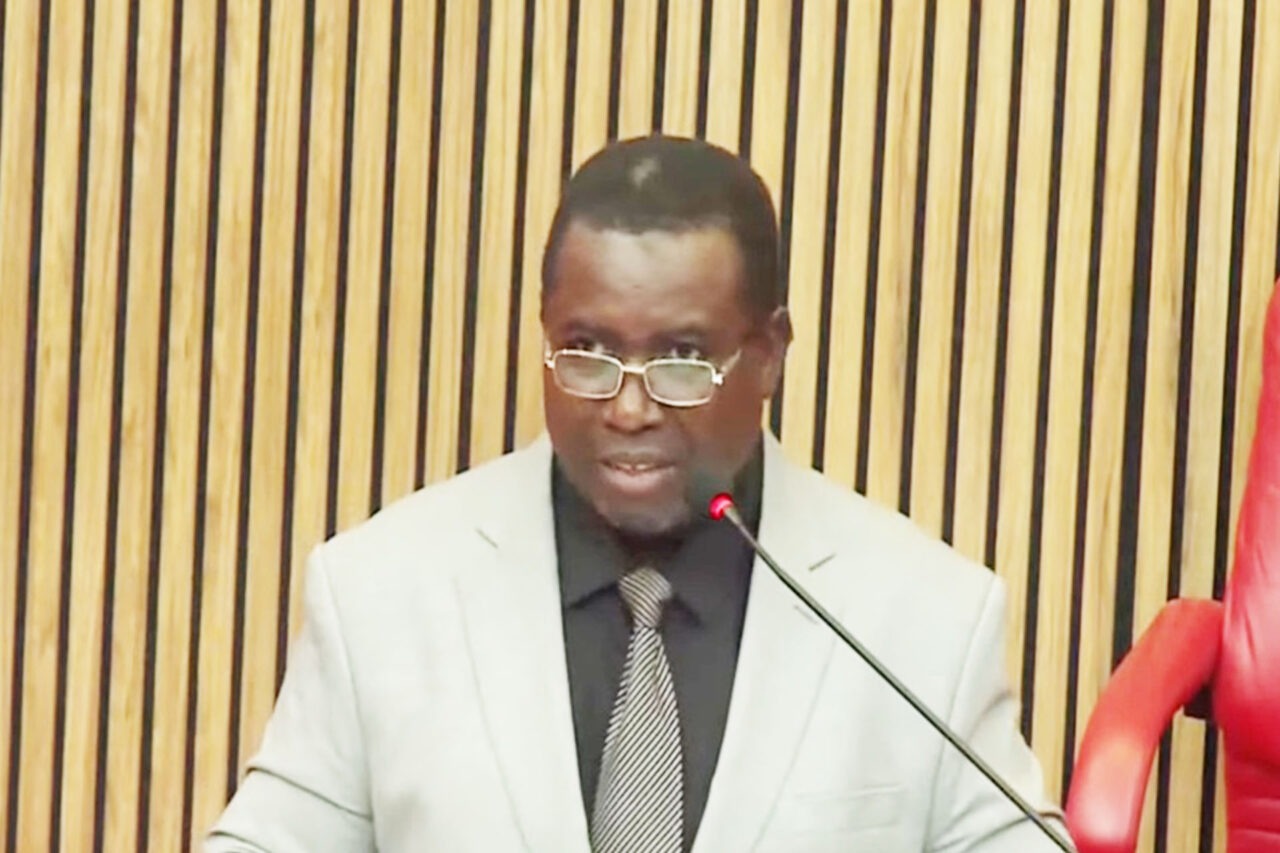
The Movement for Credible Elections (MCE) has asked the INEC Chairman, Prof. Joash Amupitan, to step aside over what it described as a crisis of confidence allegedly triggered by his actions.
In a statement by its Media Coordinator, James Ezema, the group said its intervention was aimed at safeguarding Nigeria’s electoral integrity and rebuilding public trust in the commission.
MCE cited alleged digital footprints purportedly linking the INEC chairman to partisan social media posts favoring the ruling All Progressives Congress (APC), raising questions about his neutrality.
Although Amupitan has reportedly denied the allegations, the group said the response had not eased public concerns.
According to MCE, the controversy could escalate into legal and institutional disputes that could distract INEC as preparations for the 2027 elections gather pace.
The organization added that identity verification systems, digital access logs, and forensic tools could help determine the authenticity of the claims if subjected to an independent probe.
It also expressed concern over what it described as a pattern of decisions by the electoral body that some stakeholders view as unfavorable to opposition parties.
MCE therefore called on the INEC chairman to temporarily vacate office to allow for “a transparent and impartial probe by an independent panel composed of judicial officers, digital forensic experts, and civil society representatives.”
Separately, the Corporate Accountability and Public Participation Africa (CAPPA) warned that the increasing role of money in Nigeria’s elections poses a serious threat to democracy.
In a statement jointly issued by its Board Chairman, Auwal Musa Rafsanjani, and Executive Director, Akinbode Oluwafemi, after a board meeting in Abuja, the organization said the monetization of politics continues to distort democratic outcomes and weaken governance.
“The influence of money in politics has reached alarming levels,” the organization noted. “Vote buying and the capture of democratic institutions by powerful interests are undermining citizens’ confidence in the electoral process.”
CAPPA cautioned that if left unchecked, the trend could erode the legitimacy of the 2027 elections, stressing that democracy must reflect the will of the people, not the highest bidder.
Concerns over vote-buying have persisted in Nigeria’s recent elections, with domestic and international observers repeatedly identifying the practice as a major obstacle to credible polls.
Amid these concerns, the police in Ekiti State have vowed to clamp down on vote-buying and electoral offenses during the 20 June 2026, governorship election.
The Commissioner of Police, represented by the Command’s spokesman, SP Sunday Abutu, gave the assurance in Ado-Ekiti during a stakeholders’ dialogue on credible elections organized by the International Press Center (IPC) in collaboration with the Center for Media and Society and supported by the European Union.
Abutu acknowledged that criminal elements often attempt to undermine elections but said the police had developed strategies to counter such threats.
“We are going to be tough on vote-buying and trading. We will always have criminal elements, and that is why we have the police. They will try to beat our strategies, but we will deploy our forces to prevent that menace,” he said.
He added that the command would remain proactive in addressing security risks, noting the tense political atmosphere that typically surrounds elections.
The Resident Electoral Commissioner in Ekiti, Bunmi Omosehindemi, emphasised the importance of voter education and strict adherence to accreditation procedures for a successful poll.
In his remarks, IPC Executive Director Lanre Arogundade said the dialogue was part of the European Union’s “Support to Democratic Governance in Nigeria (EU-SDGN II)” program, a five-year initiative aimed at strengthening democratic institutions and enhancing the media’s role in the electoral process.
Also speaking, Director of the Journalism Clinic, Taiwo Obe, urged journalists to embrace emerging technologies, including artificial intelligence, to remain effective in a rapidly evolving media environment.

- ADC Asks INEC to Bar Partisan Lecturers From Collating Election Results - September 15, 2026
- JAMB Adjusts Candidates’ Arrival Time at Exam Centres - September 15, 2026
- ASUU Threatens Fresh Nationwide Strike - September 14, 2026