

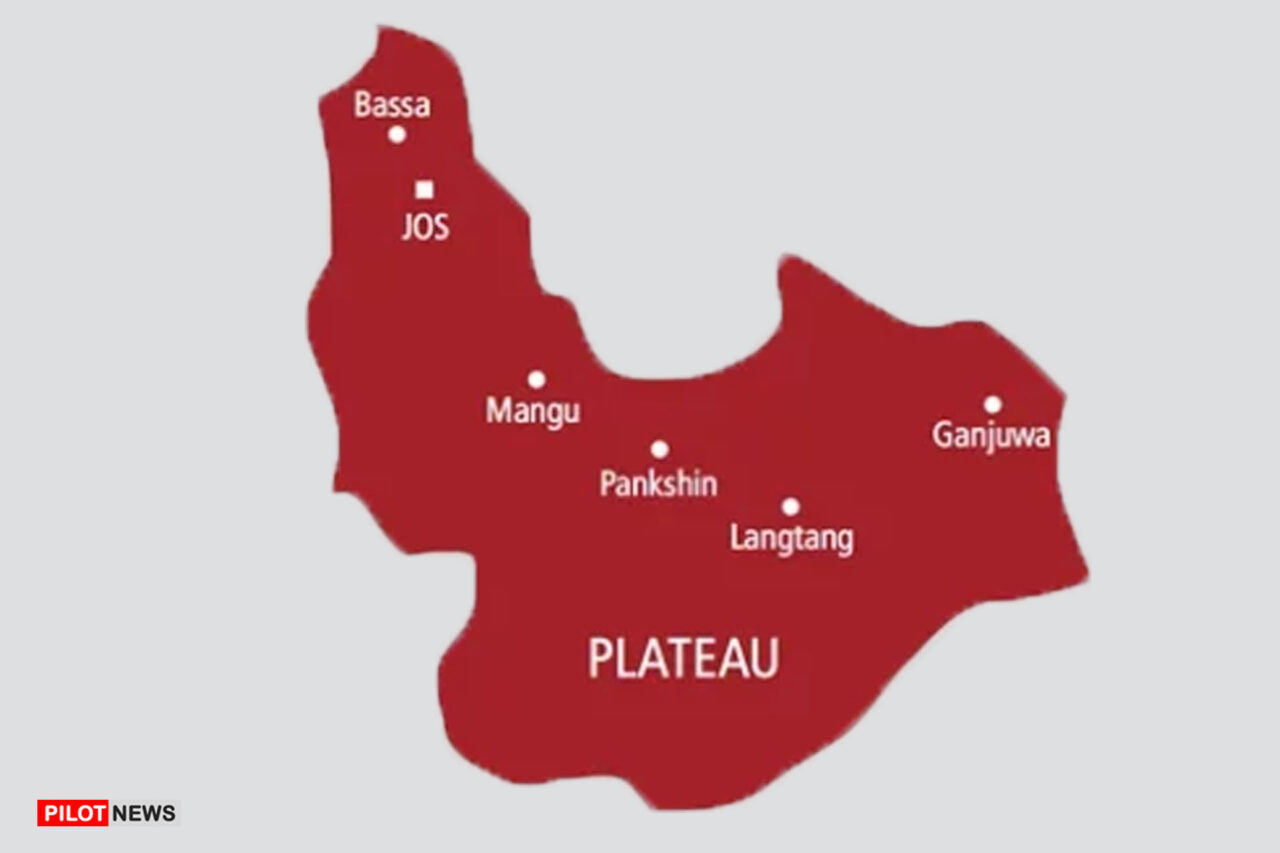
The Plateau State Environmental Protection and Sanitation Agency (PEPSA) has on Friday concluded a five-day capacity-building training for more than 70 environmental health officers and WASH officers from Jos South Local Government Area of Plateau State to strengthen the enforcement of environmental sanitation laws and improve public health service delivery across the state.
In his speech, at the training held at the agency’s headquarters in Jos, the Director-General of PEPSA, Mr. Samuel Nathaniel Dapiya, said the training is to equipped participants with practical skills in environmental sanitation inspection, investigation of public health nuisances, prosecution of sanitation offenders, mobile court operations, courtroom procedures, and enforcement of sanitation regulations, particularly those relating to facilities provided under the Sustainable Urban and Rural Water Supply, Sanitation, and Hygiene (SURWASH) program.
Represented by the Director of Administration, Mr. Izang Pate, described Environmental Health Officers as the backbone of the agency and urged them to take full advantage of the training, noted that the officers have become the public face of the agency through their activities in communities, markets, and public places.
“People who did not know much about PEPSA before now know about PEPSA because of what you are doing, EHOs, you are PEPSA. Without you, PEPSA cannot function,” Dapiya added.
He explained that the refresher course was designed to sharpen the technical and professional skills of enforcement officers, especially newly recruited personnel, to enable them to carry out their responsibilities effectively.
On his part, the State Programme Coordinator of SURWASH, , represented by the State Programme Sanitation Officer, Mrs. Theresa Gyang, presented an overview of the SURWASH Programme, outlining its objectives, reform components, funding, and disbursement criteria, as well as measures required to ensure the sustainability of sanitation facilities beyond the program’s 2027 implementation timeline.
She stressed that the program aims to improve access to safe water, enhance sanitation services, and reduce open defecation, while emphasizing the critical role of sanitation officers in safeguarding the facilities provided under the program.
In his presentation on environmental sanitation laws, Barr. Christopher Bot, from the Plateau State Ministry of Justice, took participants through the legal framework governing environmental sanitation in Nigeria and Plateau State.
He highlighted key legislation, including the Land Use Act, the Harmful Waste Act, the Plateau State Environmental Protection Law of 2007, and the Public Health Law of 1963, explaining that environmental health officers are investigative public health officers responsible for ensuring compliance with environmental laws and protecting public health.
Also speaking, Barr Milat Maurice delivered a lecture on summary trials, explaining the legal processes involved in prosecuting environmental sanitation offenses. He educated participants on proper documentation of offenses, presenting evidence before the court, and the procedures for the successful prosecution of offenders.
Director of Sanitation and Enforcement PEPSA, Pam Barnabas, described the workshop as timely in view of emerging public health challenges confronting the state.
“It will interest you to know that society is dynamic, and public health is also dynamic. We are facing a lot of public health challenges, like cholera. We are even experiencing an outbreak of cholera in Plateau State. We have quite a number of communities within Jos North where cases of cholera have been recorded,” he said.
Barnabas said the training was designed to equip officers with the knowledge required to identify and abate environmental nuisances that contribute to disease outbreaks.
“Today, we ended it with a moot court, where participants were exposed to court procedures, how to appear in court, and how to prosecute offenders of sanitation laws.
“The agency has been in existence for more than 30 years, and we have been prosecuting and enforcing sanitation laws within Plateau State,” he stated.
He also reminded residents to observe the monthly environmental sanitation exercise held from 7:00 a.m. to 10:00 a.m., urging citizens to take responsibility for keeping their surroundings clean.
PEPSA Chief Prosecutor, Charity Dafur, said the training had significantly enhanced participants’ understanding of enforcement procedures.
“We really learned a lot, starting from inspection, which is the investigation of nuisances, through the serving of abatement notices, and also the court procedures,” she said.
Dafur recommended that more environmental health officers be encouraged to study law to strengthen the agency’s legal unit.
“As they study law, they can work as counsel to the Plateau Environmental Protection and Sanitation Agency while also serving as environmental health officers, because they really know what it entails in abating nuisances within the environment and within our residential houses,” she added.
The training concluded with a practical courtroom session at the Jos South Magistrate Court, where participants presented mock environmental sanitation cases before Magistrate Hon. Yop Ashoms.
The magistrate commended PEPSA for exposing its officers to courtroom procedures, noting that the practical sessions would enhance their competence in presenting sanitation cases and ensure more efficient prosecution of environmental offenses across Plateau State.

Veteran journalist and recipient of A.B.C Yola, Reporter of the Year Award (1997), Hassan Umar Shallpella, works with WAP as a Regional Correspondence. He was trained at Institute of Mass Communication and Technology Jos and Federal Radio Corporation of Nigeria, Training School Lagos.He was a News desk Editor and a Correspondent at the Punch newspaper and till 2019, was the Deputy Editor ofThe Scope newspaper.
Latest posts by Hassan Umar Shallpella (Regional Correspondent) (see all)
- Security Operatives Foil Terrorist Attack In Adamawa - July 25, 2026
- Lagos State Government Seals Over 20 Properties In Ikeja - July 25, 2026
- Military Drones Neutralizes 15 Suspected ISWAP Terrorists In Borno - July 25, 2026
previous
Over 1,400 Property Owners affected By Road Projects In Kano
next