

Global ride-hailing company Uber has ended its operations in Nigeria, bringing its 12-year presence in the country to a close.
The company stopped accepting new rider trip requests through its app on Wednesday, 2 September 2026, following a review of its business priorities and investment strategy across Africa.
Uber announced the decision in messages to drivers and riders, expressing appreciation to the millions of Nigerians who used its platform and the drivers who powered its operations.
“We have made the tough decision to wind down our operations in Nigeria, effective September 2, 2026. From this date, you will no longer be able to receive rider trip requests through the Uber app,” Uber said.
The company said it understood the impact of the decision on drivers and thanked them for their contribution to its operations over the years.
“We know this is heavy news, and we want to express our deepest gratitude to you for being a part of our journey in Nigeria,” the company said.
“For years, your commitment to your riders has kept this city moving safely and affordably,” it added.
Uber entered Nigeria in 2014, launching first in Lagos before expanding its services to other cities. Its arrival helped popularise app-based ride-hailing and changed how many Nigerians booked taxis and moved around major urban centres.
The company said its platform had served as a link between passengers and independent drivers.
“We are so proud of what the platform has been able to achieve in Nigeria, serving as the technology bridge between riders and your independent services,” Uber said.
Uber initially did not give a specific reason for its withdrawal in its message to drivers. However, the company later said the decision followed a review of its “evolving business priorities and investment focus across Africa”.
The company stressed that the withdrawal was limited to Nigeria and Uganda and did not represent an exit from the wider African market.
“After a thorough review, we have taken the difficult decision to wind down operations in Nigeria and Uganda, effective September 2, 2026,” Uber said.
“This decision is limited strictly to these two markets and does not impact our operations across the rest of the continent. Our immediate priority is supporting drivers, riders, and local team members throughout this transition. Uber remains deeply committed to Sub-Saharan Africa, where we continue to see robust growth and long-term opportunity.”
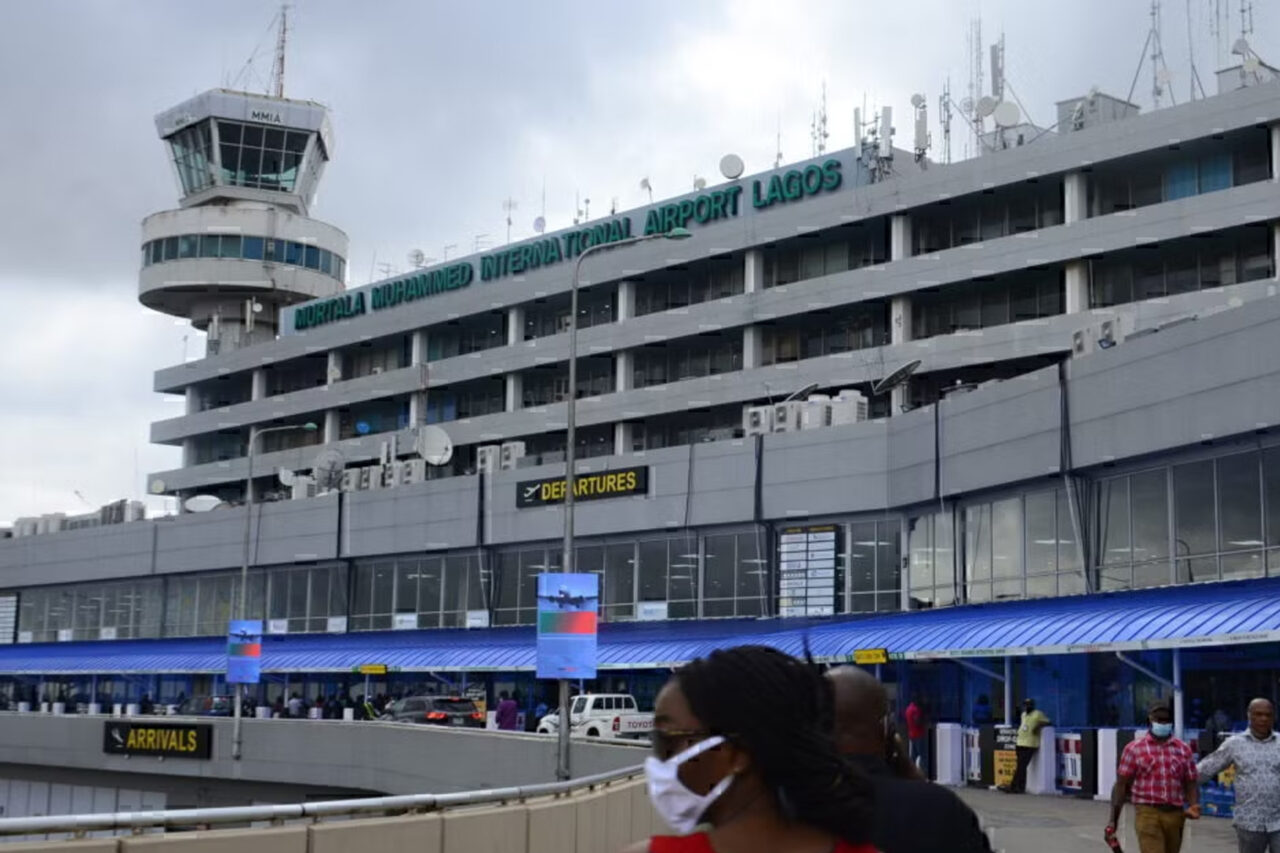
Uber also clarified that its departure was not caused by the recent Federal Airports Authority of Nigeria (FAAN) directive restricting commercial e-hailing operations at airports.
The company said its decision was based on its broader business priorities and investment focus, rather than the airport directive.
The FAAN directive had created uncertainty in the sector after the authority directed airport managers on 30 July to stop Uber and Bolt from operating commercially at its managed airports pending the completion of licensing agreements.
Uber said it would continue engaging with drivers, riders and employees affected by the decision during the transition.
The company did not immediately disclose the number of drivers, riders or employees affected by the shutdown.
It said its support channels would remain available after the closure to handle outstanding account-related issues.
In its message to drivers, Uber said: “Our Help Center will remain open until 24 September ’26 to assist you with any questions.”
However, a separate communication to riders stated that the Help Centre would remain available until 23 September, according to reports.
Uber also said it would handle Nigerian users’ personal information in line with applicable data protection laws and its privacy policies.
The company said it would retain only information required by law, maintain appropriate security measures and continue to comply with lawful requests for data.
Its exit also affects Uber for Business services in Nigeria, with the company confirming that those services will be discontinued as part of the withdrawal.
Uber’s departure marks a significant change in Nigeria’s ride-hailing industry, where the company has been one of the most recognizable international brands since 2014.
The Nigerian e-hailing market has faced increasing pressure from rising fuel prices, inflation, currency instability and growing competition, all of which have increased operating costs for drivers and platforms.
Uber’s exit also comes amid a wider restructuring of the company. Uber is cutting about 3,300 jobs globally, representing roughly 10 percent of its corporate workforce, as it seeks to simplify its organizational structure and redirect investment towards priority areas.
Despite leaving Nigeria and Uganda, Uber said it remains committed to Sub-Saharan Africa and will continue operating in other African markets.

- Atiku Launches ‘Ask AA’ Portal to Engage Nigerians on Policies, Record - October 17, 2026
- FG Approves New Power Grids to Tackle Frequent National Grid Collapses - October 17, 2026
- Nigeria’s Inflation Falls to 14.63% as Food Prices Drop - October 17, 2026