

The Federal Government has announced a 30-day discount on petrol dispensed at Nigerian National Petroleum Company Limited (NNPC) filling stations, with public transport operators to receive priority under the arrangement.
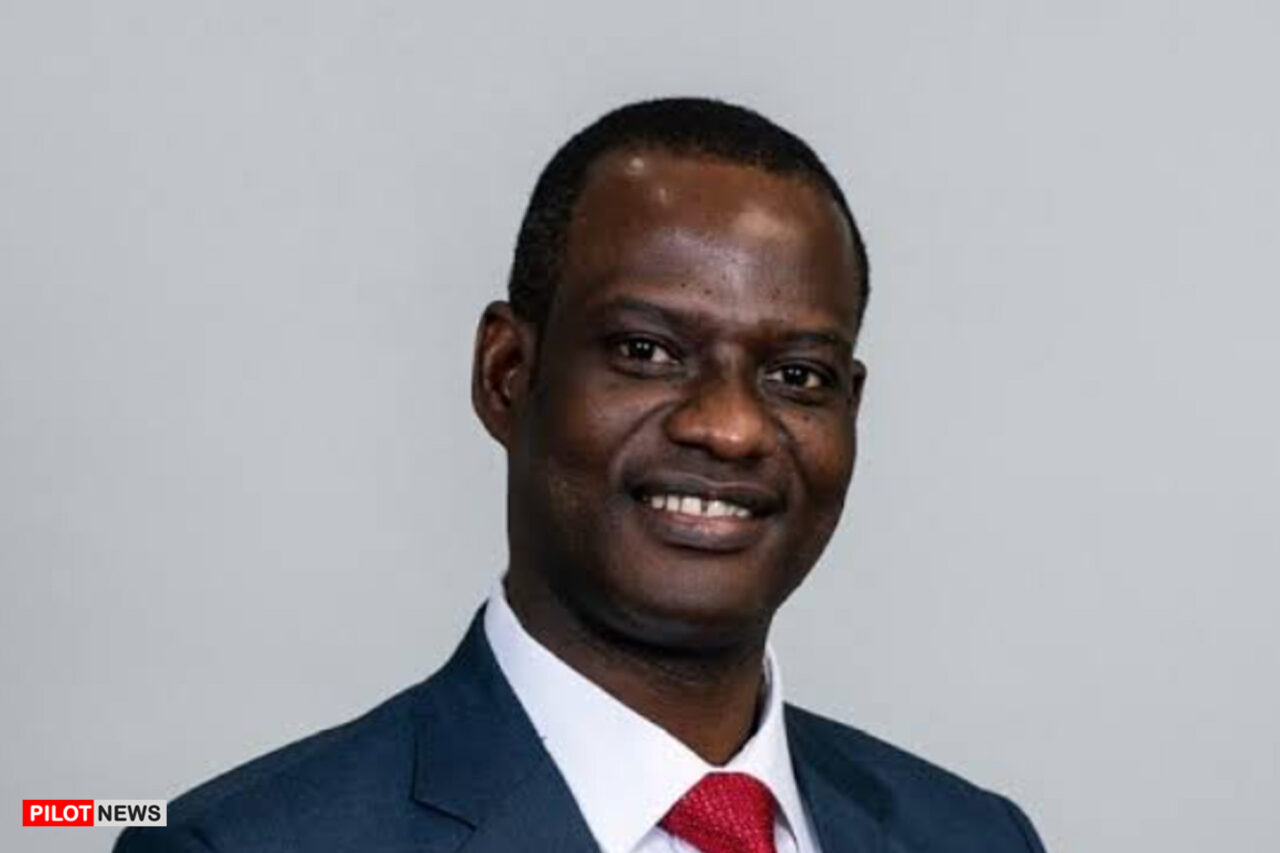
The Minister of Finance and Coordinating Minister of the Economy, Taiwo Oyedele, announced the measure on Thursday at a press briefing in Abuja on the rising cost of petrol and the government’s position on subsidy.
Oyedele said the intervention was not a return to petrol subsidy, but an arrangement for NNPC to sell the product at cost during the initial 30-day period.
“We are offering a discount on petrol dispensed by NNPC limited for the next 30 days in the first instance with priority for public transporters nationwide. So, it’s not a subsidy, government is just saying we sell to you at cost,” Oyedele said.
The announcement comes amid sustained pressure from high petrol and transport costs, with petrol prices currently averaging about ₦1,400 per litre in parts of the country.
NNPC’s latest reported pump prices put petrol at ₦1,355 per litre in Lagos and Rivers states, while the product is listed at ₦1,370 per litre in Abuja.
Beyond the temporary discount, the government said it was negotiating a ₦1,350-per-litre ceiling on the ex-gantry or landing cost of petrol as part of a proposed price-modulation mechanism.
Oyedele said the arrangement was intended to shield consumers from sudden increases caused by fluctuations in global crude oil prices and foreign exchange rates.
“We are introducing price modulation. Government is negotiating a ceiling of ₦1,350 per litre on the ex-gantry or landing cost of petrol to keep the price stable. When costs rise above the ceiling, refineries and importers will carry the shortfall and recover it later. This is neither a subsidy nor price control,” Oyedele said.
The proposed ceiling would be reviewed monthly, with the government expected to publish the relevant figures. The minister stressed that the ₦1,350 figure relates to the ex-gantry or landing cost and does not mean petrol will necessarily sell at ₦1,350 per litre at filling stations.
The government said the approach was designed to reduce volatility rather than permanently suppress petrol prices.
Oyedele also defended the removal of petrol subsidy in 2023, saying the recent increase in global crude oil prices would have placed even greater pressure on domestic fuel prices had the subsidy regime remained.
He said crude oil, which was selling at about $70 per barrel before the current global conflict, had risen above $100, contributing to the increase in petrol prices from roughly ₦830 per litre to about ₦1,400.
The minister outlined several other measures aimed at cushioning Nigerians from the impact of high energy and transport costs.
They include forward sales of crude oil to domestic refineries, allowing the government to provide greater certainty over the cost of crude supplied to refiners. Oyedele said the government was considering selling crude to refiners over the next six months at $80 per barrel to provide price stability.
The government also plans to work with state authorities to eliminate illegal levies and road-use charges that increase transportation and logistics costs.
Other measures include increased funding for cash transfers to vulnerable households, subsidised credit for small businesses and consumers, accelerated deployment of compressed natural gas vehicles, and reductions in regulatory costs that add to the prices of goods and services.
The government is also considering an excess-profit tax on operators found to be taking undue advantage of consumers in the energy value chain. Proceeds from the measure, if implemented, would be used to support transport and vulnerable urban earners.
Oyedele further announced plans for a National Strategic Fuel Reserve to strengthen Nigeria’s ability to respond to future supply disruptions and price shocks.
He said refined petroleum products would be released from the reserve under clear and publicly published rules whenever global disruptions, hoarding or other factors threaten fuel supply and price stability.
“This is not a subsidy, and it does not fix prices. Rather, it secures supplies and reduces price volatility,” he said.
The measures come more than three years after President Bola Tinubu announced the removal of petrol subsidy in May 2023, a policy that triggered a sharp rise in fuel and transportation costs.
The Federal Government has repeatedly resisted calls for a return to blanket petrol subsidy, arguing that such a policy would place additional pressure on public finances and the foreign exchange market.

Ezinwanne Onwuka, senior staff reporter and columnist with WAP is a Nigerian-based writer and content developer. She holds a Bachelor of Arts degree in Philosophy from the prestigious University of Nigeria, Nsukka. Her interests include reading, writing, researching and graphic designing.
Latest posts by By Ezinwanne Onwuka (Senior Reporter) (see all)
- FG Announces 30-Day Petrol Discount at NNPC Stations - October 8, 2026
- 20 Abducted NYSC Members Rescued After Seven Days - October 8, 2026
- 2027 Elections: INEC Presses FG for Release of Outstanding Funds - October 6, 2026
previous
AP Candidate Demands Probe Of Edo APC Chairman Over Remarks
next