

The International Monetary Fund (IMF) has warned the Federal Government against restoring a blanket petrol subsidy, urging it to channel financial support directly to vulnerable Nigerians struggling with rising fuel and transport costs.
The fund said universal fuel subsidies were expensive, disproportionately benefited wealthier consumers and could worsen Nigeria’s fiscal challenges at a time of rising government borrowing costs.
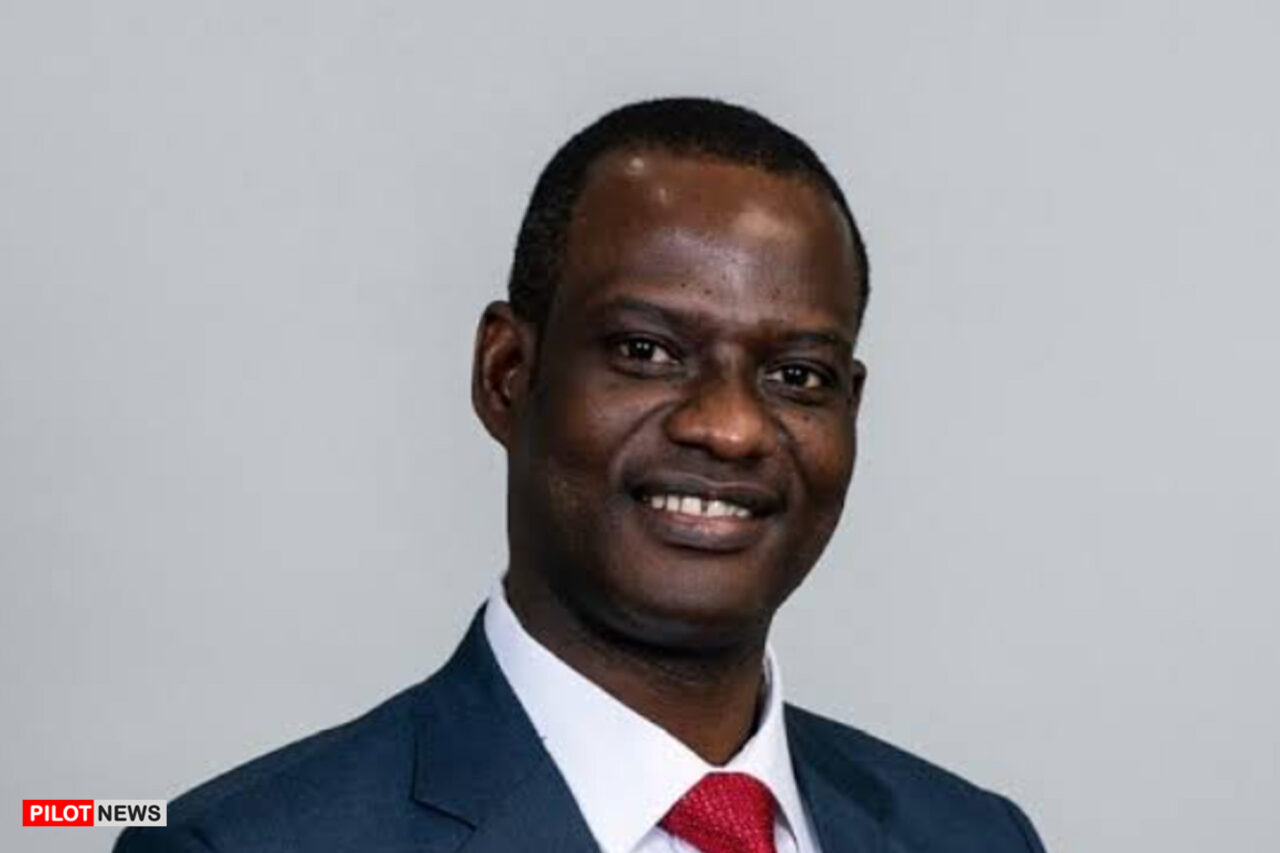
Rodrigo Valdés, director of the IMF’s Fiscal Affairs Department, gave the advice on Wednesday during a press briefing on the fund’s Fiscal Monitor at the 2026 IMF–World Bank Group Annual Meetings in Bangkok, Thailand.
His comments come amid growing pressure on President Bola Tinubu’s administration to provide relief from rising petrol prices ahead of the 2027 general elections.
Responding to concerns that allowing fuel prices to reflect market conditions could increase transport fares, worsen inflation and push more Nigerians into poverty, Valdés argued that protecting citizens did not require keeping fuel prices artificially low.
“Protecting people is not the same as protecting the price of fuels,” Valdés said.
He explained that governments could ease the burden of higher energy costs without subsidising fuel consumption across the board.
According to him, fuel subsidies and other measures that prevent energy prices from adjusting fully to supply shocks cost countries between one and 1.5 per cent of their gross domestic product (GDP) in 2026.
“It’s first fiscally very costly, and second, if you look at the pattern of consumption, it’s easy to see that that subsidy is readily regressive in many places,” he said.
Valdés argued that such interventions could also undermine efforts to manage energy shortages by encouraging continued consumption despite constrained supplies.
“When you subsidise, you don’t allow, at the end of the day, demand to adjust,” he said. “And the reality is that we have less fuel in the world economy. That means that someone else has to adjust more, and the market produces a higher price for that.”
Davide Furceri, a division chief in the IMF’s Fiscal Affairs Department, said governments should redirect some of the money spent on blanket subsidies towards programmes that directly benefit vulnerable households.
He recommended targeted interventions to reduce the effects of rising fuel prices on public transport and other essential services.
“For example, you mentioned transportation costs. Yeah, gasoline could go up, and perhaps bus fees may be subsidised in a way that is a much better policy at the end of the day than just a blanket subsidy for everybody,” Furceri said.
He also identified school feeding programmes, geographically targeted assistance and support for vulnerable farmers as possible alternatives.
Furceri acknowledged that some countries lacked comprehensive household databases and digital payment systems needed to identify beneficiaries and deliver assistance efficiently.
However, he said governments could adopt alternative arrangements in the short term while developing the infrastructure required for more effective social protection programmes.
He stressed that such interventions should be limited, targeted and temporary.
The IMF’s position reflects its broader concern about mounting global fiscal pressures. In its October 2026 Fiscal Monitor, the fund warned that rising debt, higher interest rates and persistent spending pressures were increasing fiscal risks across economies.
The IMF’s advice comes days after the Federal Government announced a 30-day petrol discount at Nigerian National Petroleum Company (NNPC) Limited retail stations to cushion the impact of rising fuel prices.
Under the arrangement announced on October 8, Finance Minister Taiwo Oyedele said NNPC Retail would forgo its retail profit margin and sell petrol at cost, with priority given to public transport operators.
The government maintained that the measure was temporary relief rather than a return to the petrol subsidy regime abolished in May 2023.
In a statement issued on October 9, the Presidency said the arrangement was intended to cushion the effects of global crude oil price shocks and volatility on vulnerable households. It also encouraged other fuel marketers to consider similar measures.
Oyedele also announced plans to negotiate a ceiling of ₦1,350 per litre on petrol’s ex-gantry or landing cost, subject to monthly reviews.
The proposed ceiling is intended to moderate sudden increases in petrol costs arising from movements in international crude oil prices and exchange rates. It does not represent a fixed pump price of ₦1,350 per litre.
The minister said the government was seeking to reduce price volatility without returning to the previous subsidy arrangement.

- Dangote Refinery Extends IPO Deadline to October 27 - October 15, 2026
- 2027 Election: Soludo Defends APGA’s Decision to Support Tinubu - October 15, 2026
- IMF to Federal Government: Don’t Bring Back Petrol Subsidy - October 15, 2026