

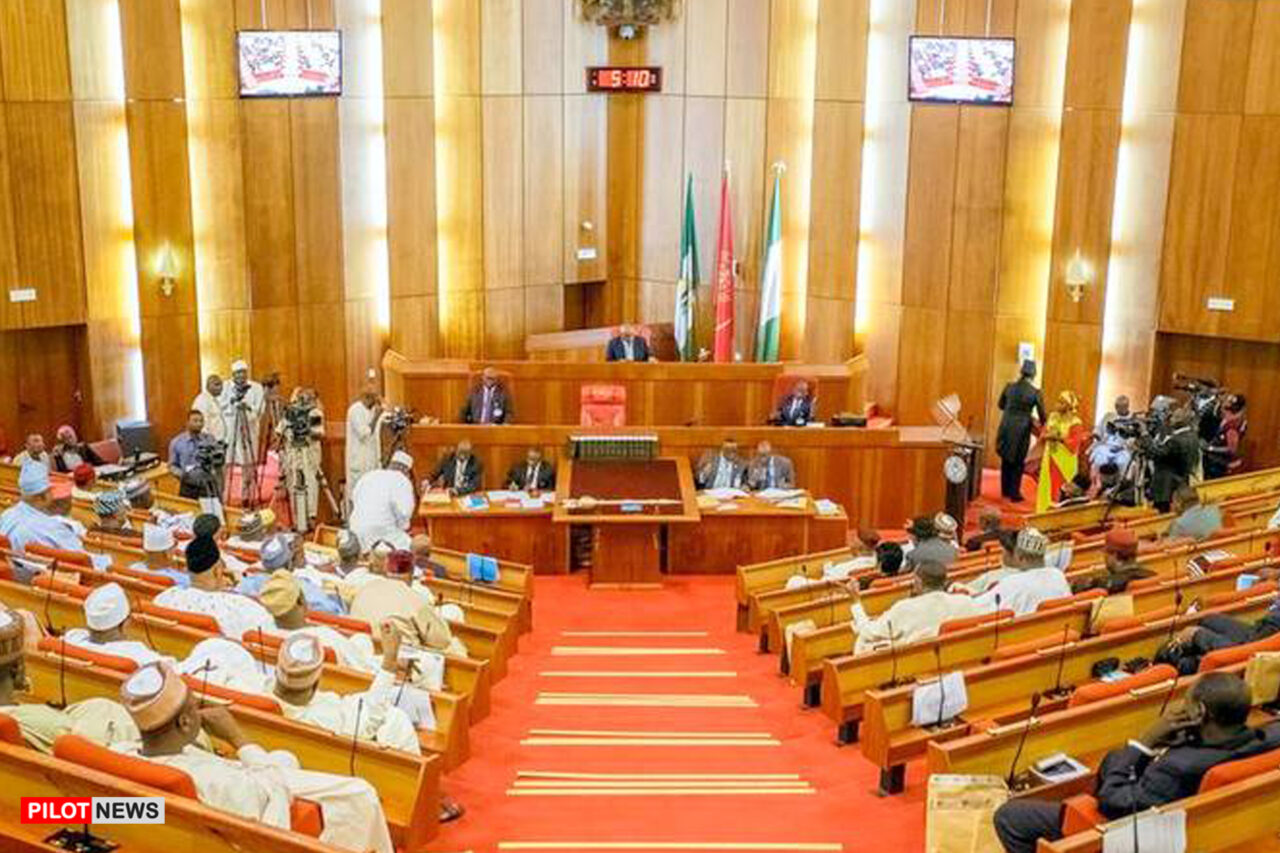
The Senate on Tuesday reversed its earlier decision and approved the real-time electronic transmission of election results from polling units to the Independent National Electoral Commission (INEC) Results Viewing Portal (IReV), while retaining manual collation as a backup in the event technology fails.
The upper chamber adopted the new position during an emergency plenary in Abuja after considering a motion moved by the Chief Whip, Senator Mohammed Monguno (APC, Borno North). The Minority Leader, Senator Abba Moro, seconded the motion.
The resolution amends Clause 60(3) of the Electoral Act (Amendment) Bill 2026. The clause now provides that presiding officers shall electronically transmit results from polling units to INEC’s IReV portal, but allows Form EC8A to serve as the primary means of collation where electronic transmission fails.
Reading the amendment before it was put to vote, Senate President Godswill Akpabio said: “The clause being debated provided that presiding officers shall electronically transmit the results from the polling units to the INEC’s IReV portal and provided that if the electronic transmission fails and it becomes difficult to transmit the results, the Form EC8A will be the primary means of collation.”
Monguno, in his motion titled “Motion for rescission on clause 60(3) of the electoral Act, 2022 (Repeal and Enactment) Bill, 2026,” explained the reason for the reversal.
“The Senate: Recalls that the Electoral Act (Repeal and Enactment) Bill was passed by the Senate on Wednesday, 4th February, 2026; notes that upon careful examination of the Bill, fresh issues have emerged in respect of Clause 60(3), which requires further legislative consideration in order to ensure the conduct of smooth, transparent, and credible elections in Nigeria; and Relying on the provisions of Orders 1(b) and 52(6) of the Senate Standing Orders, 2023 (as amended).
“Accordingly resolves to: (i). Rescind its earlier decision on Clause 60(3) of the Electoral Act (Repeal and Enactment) Bill as previously passed; and (ii). Recommit Clause 60(3) to the Committee of the Whole for further reconsideration and passage.”
He added: “This amendment is to bring our laws to make it a replica of the wishes and aspirations of the people.”
A majority of senators voted in support of the revised clause when it was put to a voice vote.
Proceedings at the emergency sitting were briefly rowdy as lawmakers debated adopting the Votes and Proceedings of the 4 February session, when the bill was initially passed.
Tension rose after Sen. Akpabio read the revised wording of Clause 60(3), with some senators raising concerns about specific phrases in the amendment.
At one point, Senator Enyinnaya Abaribe called for a division under Order 70 to allow each senator to vote individually. He later withdrew the request, a move seen as clearing the way for the amendment to be adopted without delay.
The issue of electronic transmission of results has remained central to electoral reform debates in Nigeria since the 2023 general election, when INEC deployed the IReV portal for uploading polling unit results to improve transparency.
Civil society groups and election observers have repeatedly called for clearer legal backing for electronic transmission to reduce disputes over manual collation.
The amended Electoral Act (Repeal and Enactment) Bill is expected to proceed to the House of Representatives for concurrence before being transmitted to the President for assent.

- Tinubu Calls for Party Unity, Defends Reforms at APC Convention - March 29, 2026
- APC Reconstitutes NWC as Yilwatda Retains Chairmanship at 2026 Convention - March 29, 2026
- North Central APC Endorses Tinubu as Sole Candidate for 2027 Election - March 28, 2026