

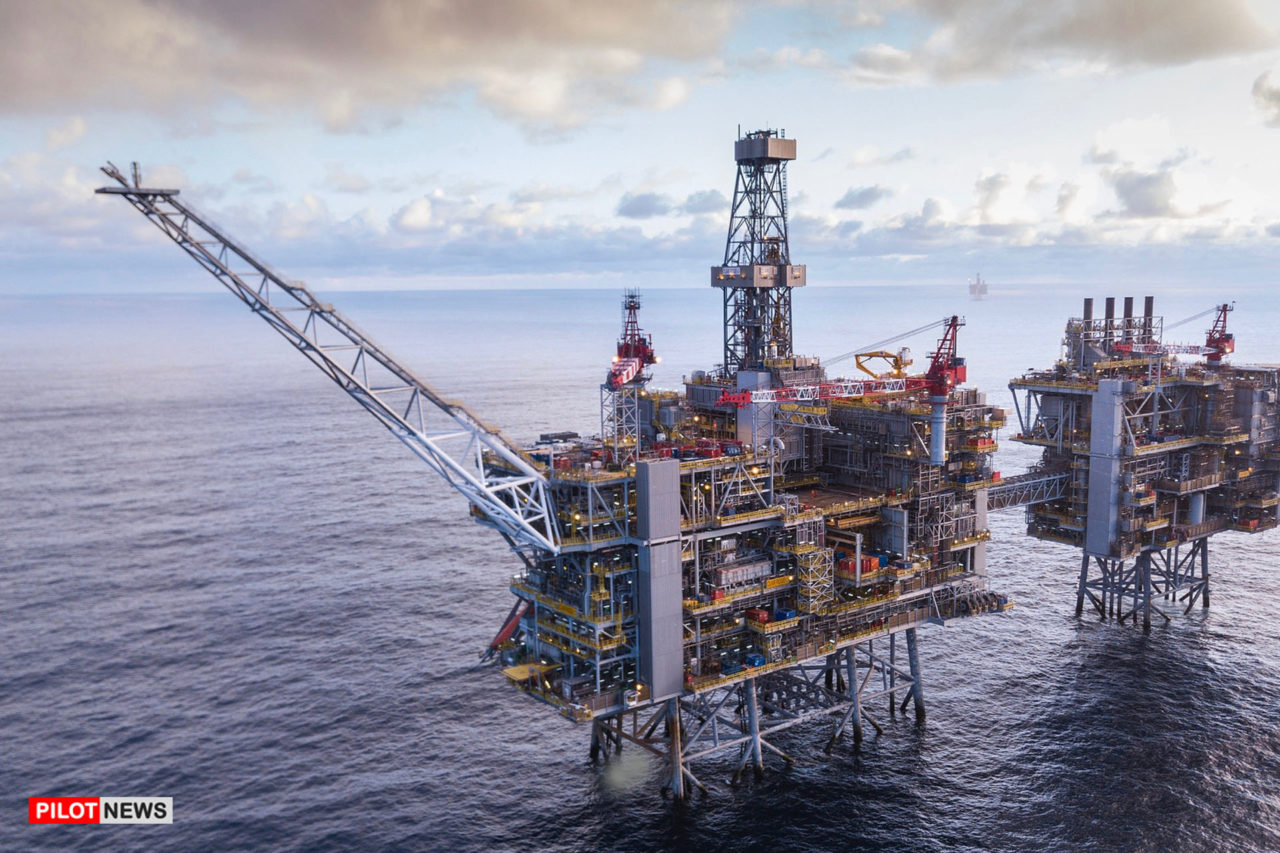
Crude oil prices surged sharply on Monday, climbing to $79 per barrel — the highest level in more than a year — and significantly above Nigeria’s budget benchmark.
Brent crude, the global oil benchmark, rose by more than nine per cent to $79 per barrel for the first time since August 2024. The price briefly touched an intraday high of $82 before easing slightly in early trading.
West Texas Intermediate (WTI), the United States benchmark, also gained over nine per cent to trade at $73.06 per barrel.
The spike follows escalating geopolitical tensions in the Middle East after coordinated US-Israeli airstrikes on Iranian targets at the weekend.
The strikes killed Ayatollah Ali Khamenei and Abdolrahim Mousavi, Iran’s supreme leader and armed forces chief of staff, respectively, alongside members of Khamenei’s family.
In retaliation, Iran launched multiple waves of missiles across parts of the region, raising fears of a broader conflict that could disrupt global energy supplies.
The market reaction was swift, with traders pricing in the risk of supply interruptions, particularly around key shipping routes.
Shipping giants Maersk, Mediterranean Shipping Company (MSC) and CMA CGM have halted sailings through the Strait of Hormuz and the Suez Canal–Bab el-Mandeb corridor due to rising security threats.
According to Reuters, about one-fifth of the world’s seaborne oil trade and roughly 20 per cent of global liquefied natural gas (LNG) shipments pass through the Strait of Hormuz. Any prolonged disruption in that corridor could tighten global supply and push prices even higher.
Reuters added that a sustained oil price surge could reignite global inflationary pressures and effectively act as a tax on businesses and consumers, potentially weakening demand worldwide.
For Nigeria, Africa’s largest oil producer, the development carries major fiscal implications.
The current price of $79 per barrel has exceeded Nigeria’s proposed 2026 budget benchmark of $64.85 by more than $14. This benchmark is the reference price used by the Federal Government to estimate oil revenue projections in the national budget.
When crude trades significantly above the benchmark, it typically translates to higher export earnings, improved foreign exchange inflows, and stronger government revenue, provided production levels remain stable and output targets are met.

- Civil Society Group to Stage Protests in Kaduna Against El-Rufai - March 2, 2026
- Oil Prices Hit $79, Surpass Nigeria’s Budget Benchmark - March 2, 2026
- A Decade After Chibok Abduction, Documentary Spotlight Parents’ Pain - March 2, 2026