

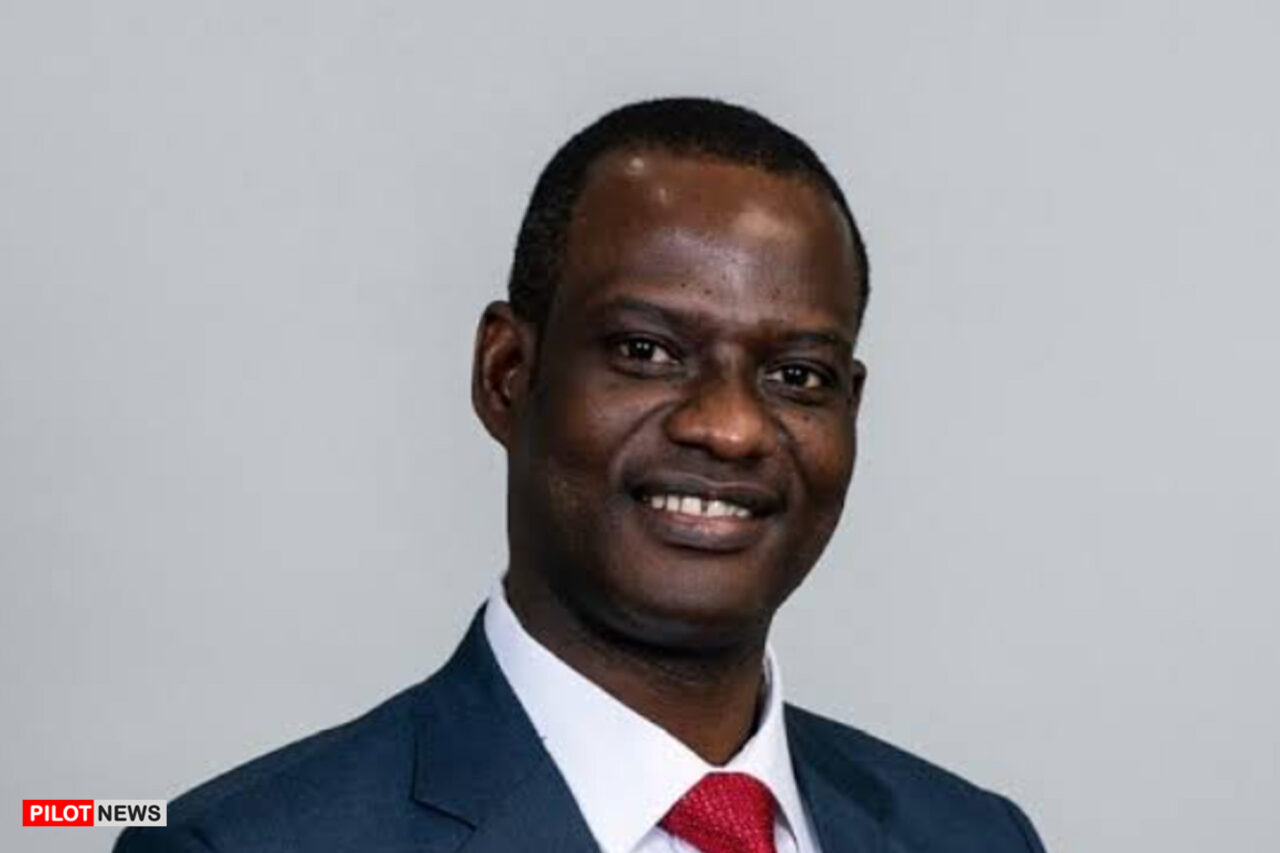
The Federal Government spent ₦9.39 trillion on wage adjustments, minimum wage increases and allowances for public servants between June 2023 and December 2025, the Minister of Finance and Coordinating Minister of the Economy, Taiwo Oyedele, has said.
Oyedele disclosed this on Wednesday in Abuja while presenting the financial impact and scorecard of the economic reforms introduced by President Bola Ahmed Tinubu’s administration.
The Minister said the amount spent on workers’ wages during the period was higher than the Federal Government’s entire share of the resources mobilised through the removal of the petrol subsidy and foreign exchange reforms.
“The incremental amount that the federal government spends paying higher wages is more than the entire savings that the federal government earned from subsidy removal,” Oyedele said.
The figures indicate the competing pressures on government finances since the Tinubu administration announced the removal of the petrol subsidy shortly after assuming office in May 2023.
In his inaugural address on May 29, 2023, President Tinubu declared that the fuel subsidy had ended, saying the government would redirect resources towards infrastructure and other areas of the economy.
According to Oyedele, the reforms subsequently mobilised ₦15.8 trillion in resources for the Federation between June 2023 and December 2025.
Of the amount, ₦5.4 trillion accrued to the Federal Government, while ₦10.4 trillion was shared among state and local governments.
The Minister said the Federal Government also generated ₦3.1 trillion in incremental independent revenue, principally through remittances from government-owned entities.
When combined with incremental borrowing, the Federal Government’s total additional resources during the period amounted to ₦20.4 trillion.
“Altogether, the federal government’s incremental resources over the period — subsidy savings, independent revenue, and incremental borrowing — came to ₦20.4 trillion,” he said.
However, the government’s incremental expenditure during the same period stood at ₦30.64 trillion, leaving a substantial gap between additional resources and expenditure.
Wages, debt, infrastructure gulp ₦25.2tn
Oyedele said ₦9.39 trillion of the incremental expenditure went into wage adjustments, minimum wage increases, and allowances for public servants.
Another ₦9.37 trillion was spent on servicing external debt, while ₦6.5 trillion was allocated to strategic infrastructure.
The wage expenditure was in line with measures introduced by the administration to cushion workers from the effects of the petrol subsidy removal and other economic reforms.
In July 2024, President Tinubu approved an increase in the national minimum wage from ₦30,000 to ₦70,000. The National Assembly subsequently amended the National Minimum Wage Act, reducing the statutory review period from five years to three years. Tinubu signed the bill into law on 29 July 2024.
The wage adjustment came amid mounting pressure on households following higher petrol prices, inflation, and the depreciation of the naira.
Oyedele said the increase in wage expenditure reflected the government’s response to the economic hardship triggered by the reforms.
He acknowledged that the reforms had imposed high costs on Nigerians but said the government had taken steps to mitigate their effects.
The decisions, he said, came at a “real cost, and we are not here to pretend otherwise”.
₦11.9tn borrowed
The Minister also disclosed that the Federal Government borrowed ₦11.9 trillion during the period under review.
He said the borrowing would have been “far higher and economically destabilising” without the fiscal space created by the reforms.
Oyedele explained that the increase in external debt servicing was largely attributable to the depreciation of the naira rather than an increase in the dollar value of the country’s external debt.
“If we were paying $1 million before in interest on our foreign debt, it is still the same $1 million, but instead of ₦460, it’s now ₦1,415,” he said.
“That’s more naira than we need to incur. And I’ve said this before, when you have debt service to pay, you don’t negotiate, you don’t delay, you pay. Because delays or defaults have consequences.”
The Minister’s explanation highlights the fiscal pressure created by the exchange-rate reforms, which substantially increased the naira cost of servicing the government’s dollar-denominated obligations.
FG says reforms generated resources for states
Oyedele said the ₦15.8 trillion mobilised through the subsidy and foreign exchange reforms did not accrue solely to the Federal Government.
According to him, the Federal Government received ₦5.4 trillion, while ₦10.4 trillion was distributed to state and local governments.
The Minister said the increased resources available to the different tiers of government were part of the broader fiscal impact of the reforms.
The Federal Government has continued to argue that the removal of the petrol subsidy was necessary because of its financial burden and the distortions it created in the economy.
In May 2026, Tinubu said the decision had saved Nigeria from imminent bankruptcy and laid the foundation for gradual economic recovery. The President acknowledged that the policy was difficult and painful for Nigerians but maintained that it was necessary to prevent fiscal collapse.
Reforms aimed at ending distortions
Oyedele said the reforms were not introduced primarily to increase government revenue.
Instead, he said, they were aimed at addressing what he described as “entrenched corruption in the artificially managed fuel subsidy and foreign exchange markets”.
The reforms included the removal of petrol subsidy and changes to the foreign exchange regime, with the latter allowing the naira to trade more freely.
The Federal Government has maintained that the measures were necessary to correct longstanding distortions and improve the country’s fiscal position.
A Reuters report on Wednesday said Oyedele argued that the reforms had helped Nigeria avert a deeper economic crisis, although the measures had intensified short-term cost-of-living pressures for Nigerians.
The government has also linked the reforms to increased fiscal space for infrastructure, human capital development, and social protection.
In July, the administration unveiled a number of programs, including NG-CARES, SOLID, and the HOPE initiatives, with a combined value of about $3.05 billion, aimed at translating macroeconomic gains into improvements in livelihoods, education, healthcare, and social protection.
The latest figures nevertheless underline the scale of the financial burden confronting the government as it attempts to balance higher personnel costs, debt obligations and infrastructure spending with the need to protect citizens from the effects of its economic policies.
Oyedele said the figures presented at the Abuja briefing were intended to provide Nigerians with a clearer picture of both the gains and costs of the reforms introduced since June 2023.

- Wike: I’ll Resign If Tinubu Loses FCT, Rivers in 2027 - October 1, 2026
- Independence Day: Mutfwang Pardons 130 Inmates, Commutes 4 Death Sentences - October 1, 2026
- Tinubu Extends 2025 Budget to December, Fourth Extension in One Year - October 1, 2026