

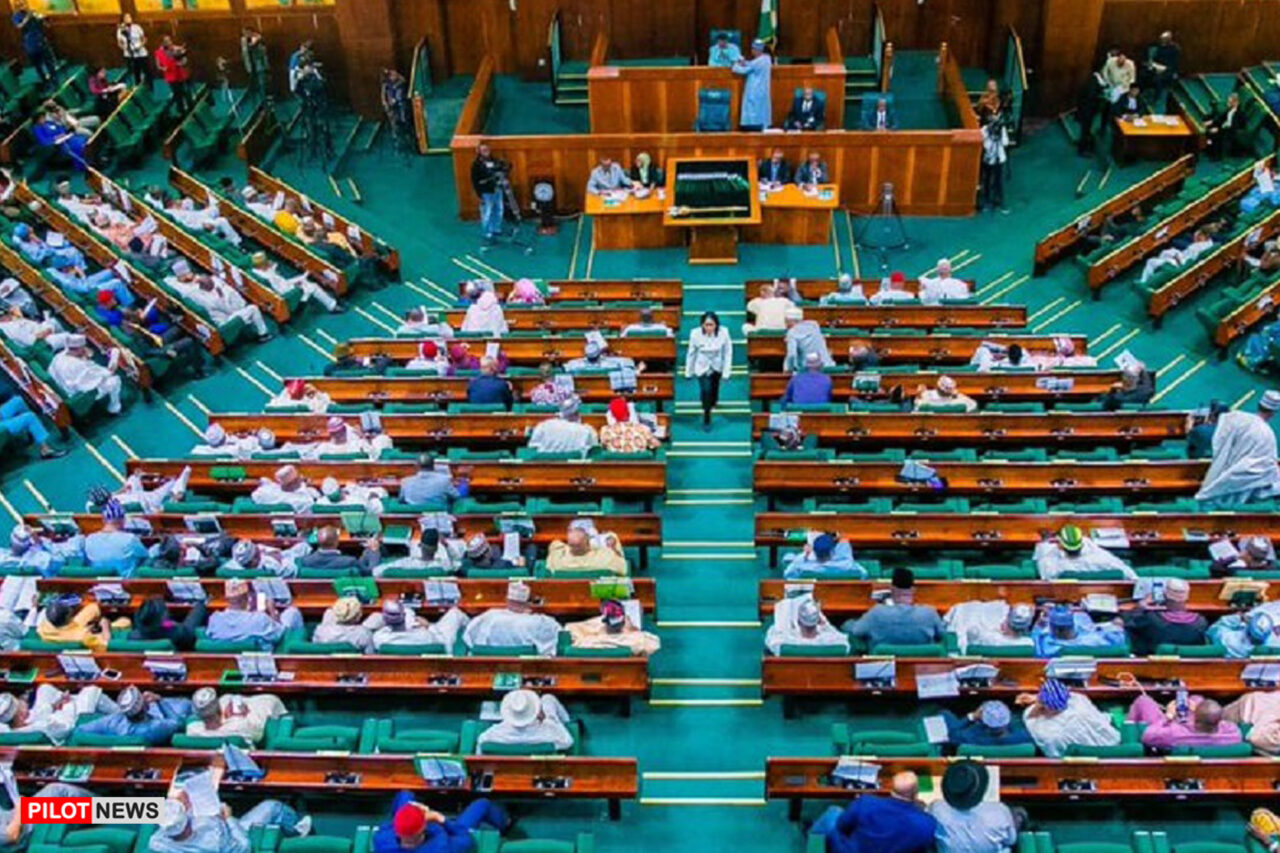
The House of Representatives has passed a bill that would significantly increase women’s representation in the National Assembly. The bill, which passed its second reading on Tuesday, aims to create 74 additional seats exclusively for women.
Currently, women hold only 4 out of 109 seats in the Senate and 14 out of 360 seats in the House of Representatives, totalling a mere 18 seats out of 469 in the National Assembly, representing a paltry 3.8 per cent.
The legislation, sponsored by Deputy Speaker Benjamin Kalu and a group of lawmakers, seeks to amend sections 48, 49, 71, and 117 of the constitution to establish 74 new seats specifically for women. This would involve one additional “special seat” in the Senate and House of Representatives for each of the 36 States and the Federal Capital Territory, FCT.
Furthermore, the bill proposes to alter Section 91 of the constitution, providing for three special seats for women in each State’s House of Assembly.
Proponents of the bill argue it’s a necessary step to encourage more female participation in politics and bridge the significant gender gap in Nigerian politics.
“This bill is about addressing the profound imbalance and under-representation of women at the national assembly and sub-national levels,” said Joshua Gana, a co-sponsor of the bill. “The rationale behind this amendment is grounded on the principles of fairness and inclusivity.”
Opponents of the bill, however, express concerns about potential drawbacks. Some argue it could undermine the principle of meritocracy in elections. Others worry it might dilute the overall quality of representation in the National Assembly.
Specifically, Ghali Tijani from Kano said rather than reserve special seats for women, political parties should deploy mechanisms to improve women’s participation in politics.
Despite these concerns, the bill, when put to a vote, got a lot of supporters. The bill will now undergo further debate and committee review before a final vote is cast.
If it becomes law, the proposed changes would take effect after the current National Assembly term and be subject to review every 16 years.

Ezinwanne Onwuka, senior staff reporter and columnist with WAP is a Nigerian-based writer and content developer. She holds a Bachelor of Arts degree in Philosophy from the prestigious University of Nigeria, Nsukka. Her interests include reading, writing, researching and graphic designing.
Latest posts by By Ezinwanne Onwuka (Senior Reporter) (see all)
- JAMB to Establish UTME Centre in Canada for Nigerians in North America - October 5, 2026
- 2027: INEC Targets Simultaneous Voting Nationwide - October 5, 2026
- Tinubu Orders Probe as NAF Jet Crashes in Ondo - October 5, 2026
previous
Kwara State University Expels 175 Students For Possession Of Firearm, Others
next