

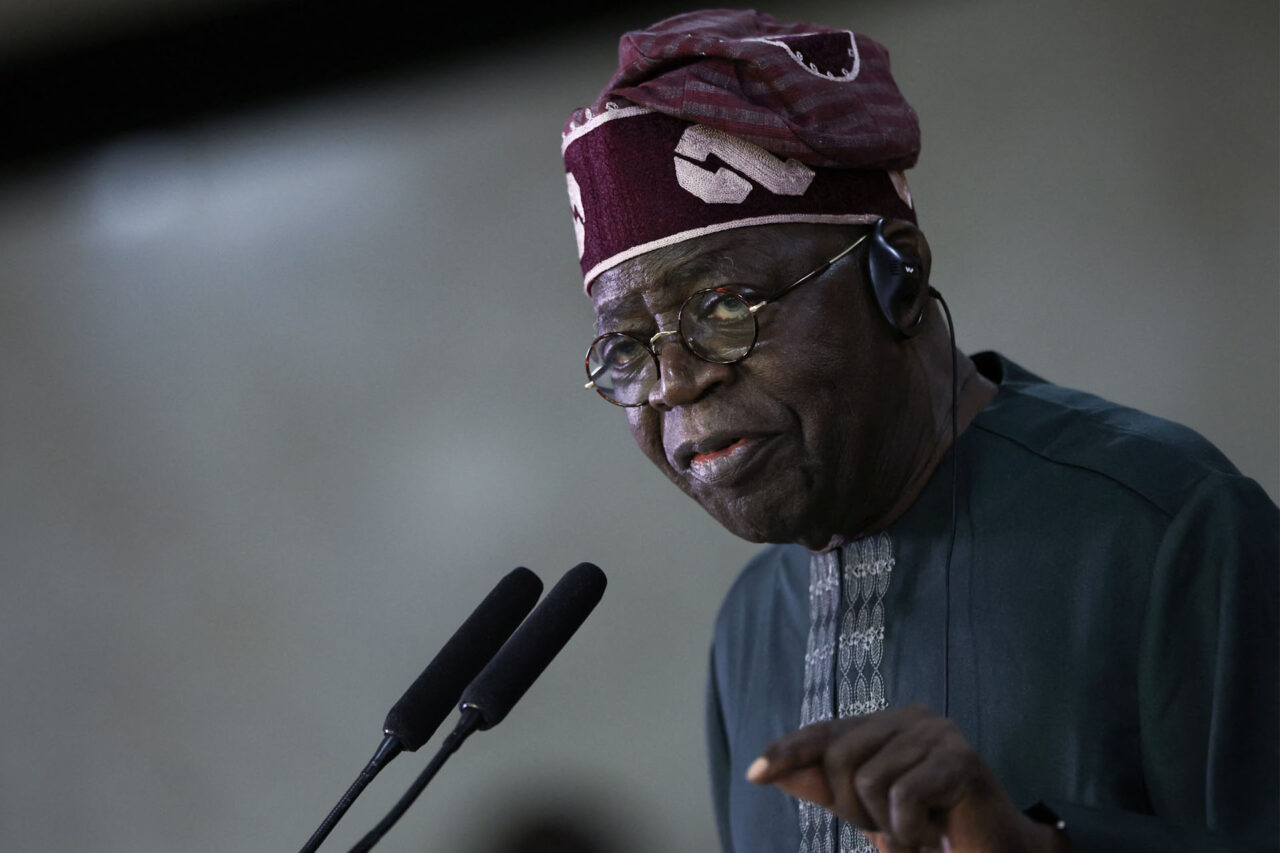
President Bola Tinubu has called on Nigerians to see tax payment as a civic obligation essential for national development.
Tinubu made the appeal on Friday at the Africa CEO Forum in Kigali, Rwanda, where he called on citizens to support government efforts to fund infrastructure and social services.
He said many Nigerians demand better roads, hospitals and other public amenities but are often unwilling to make corresponding contributions through taxation.
“Nobody wants to pay taxes. Yet everyone expects development. You want good roads and well-equipped hospitals, but you don’t want to contribute through taxes. The question is: how do we fund development and secure the future of our children?” he said.
The President stressed that tax compliance by both individuals and corporate organizations remains critical to financing key sectors, including infrastructure, healthcare, education, and social welfare programs targeted at vulnerable citizens.
“A citizen who pays tax is a citizen. If you are not paying taxes and not exempted, then you are not fulfilling your obligation,” he said.
Tinubu also defended his administration’s economic reforms, including the removal of fuel subsidy and the unification of the foreign exchange market, describing them as difficult but necessary steps to stabilize the economy.
According to him, Nigeria could no longer sustain subsidy payments and other policies that encouraged corruption and fuel smuggling.
“It was necessary to reset and reform the economy. We were spending future generations’ resources before they were born,” he said.
Reflecting on the pre-reform economy, Tinubu noted that several states struggled to pay salaries despite the country’s oil wealth, describing the situation as unsustainable.
“You are producing oil, spending heavily on fuel subsidy, yet your refineries are not working. That trend was unsustainable,” he noted.
The President acknowledged that the reforms initially triggered hardship and criticism but said early indicators showed signs of economic stabilization.
He added that the naira had become more stable and predictable, improving planning for businesses and government institutions.
President Tinubu further said savings from the reforms had enabled the expansion of government intervention programmes, including educational support and direct assistance to vulnerable households.
Despite current economic challenges, the President expressed confidence in Nigeria’s long-term prospects, assuring that his administration would continue to pursue policies aimed at recovery, stability and sustainable growth.

- JAMB to Establish UTME Centre in Canada for Nigerians in North America - October 5, 2026
- 2027: INEC Targets Simultaneous Voting Nationwide - October 5, 2026
- Tinubu Orders Probe as NAF Jet Crashes in Ondo - October 5, 2026