

…Seek Release Of Kanu, Maisango
The presidential candidates of the Accord Party, African Action Congress (AAC), and Social Democratic Party (SDP) have resolved to unite ahead of the 2027 presidential election, in what could become a significant realignment of Nigeria’s opposition politics.
The three candidates, Dr. Gbenga Olawepo-Hashim of Accord, Mr. Omoyele Sowore of AAC and Prince Adewole Adebayo of SDP, reached the resolution after a meeting in Port Harcourt, where they deliberated on Nigeria’s democracy, economy and security, demanding release of leader of Indigenous People of Biafra (IPOB), Mazi Nnamdi Kanu and Bichia Maisango, an advocate of Hausa Zallah cultural rights.
They expressed concern over the concentration of political power, weakening of democratic institutions and shrinking space for genuine political competition, warning that Nigeria risks moving from competitive multi-party democracy towards what they described as “a coronation disguised as an election.”
The leaders consequently resolved to align their political forces towards presenting Nigerians with a joint democratic alternative in 2027. The proposed alliance will seek to mobilize workers, youths, women, professionals, entrepreneurs, civil society organizations, and Nigerians across ethnic, religious, regional, and political divides.
Further consultations, they said, would determine the structure, modalities and presidential candidate of the proposed alliance. “The larger national interest must take precedence over individual political ambitions,” they declared.
While seeking immediate review of cases involving Nigerians detained or imprisoned over political expression, self-determination advocacy or the peaceful exercise of constitutionally protected rights, the three presidential candidates specifically called for the immediate release of Mazi Nnamdi Kanu, whose agitation has centred on the political rights and aspirations of the Igbo people, and Bichia Maisango, whom they identified as an advocate of Hausa Zallah cultural rights.
They also demanded an end to what they described as the legal and political persecution of Omoyele Sowore over his political activities.
The leaders stressed that their position didn’t necessarily amount to an endorsement of the views or methods of the individuals concerned. “Democratic societies must accommodate dissent and peaceful disagreement,” they said.
They called on the international community, democratic governments, regional institutions, and international democracy and human-rights organizations to closely monitor Nigeria’s democratic trajectory.
They expressed concern over alleged attempts by individuals within the security architecture, electoral institutions, judiciary, legislature, and executive to weaken opposition parties, manipulate public institutions, and frustrate genuine political competition.
While rejecting foreign interference in Nigeria’s sovereign affairs, they called for accountability where individuals abuse public office or institutional authority to undermine constitutional democracy.
They urged international partners to document credible evidence of democratic reversals and consider targeted sanctions, including visa restrictions and other lawful measures, against individuals credibly established to have participated in such activities.
“Nigeria’s multi-party democracy must be preserved. No individual, political party, security agency, electoral official or institution is bigger than the Nigerian Constitution,” they declared.
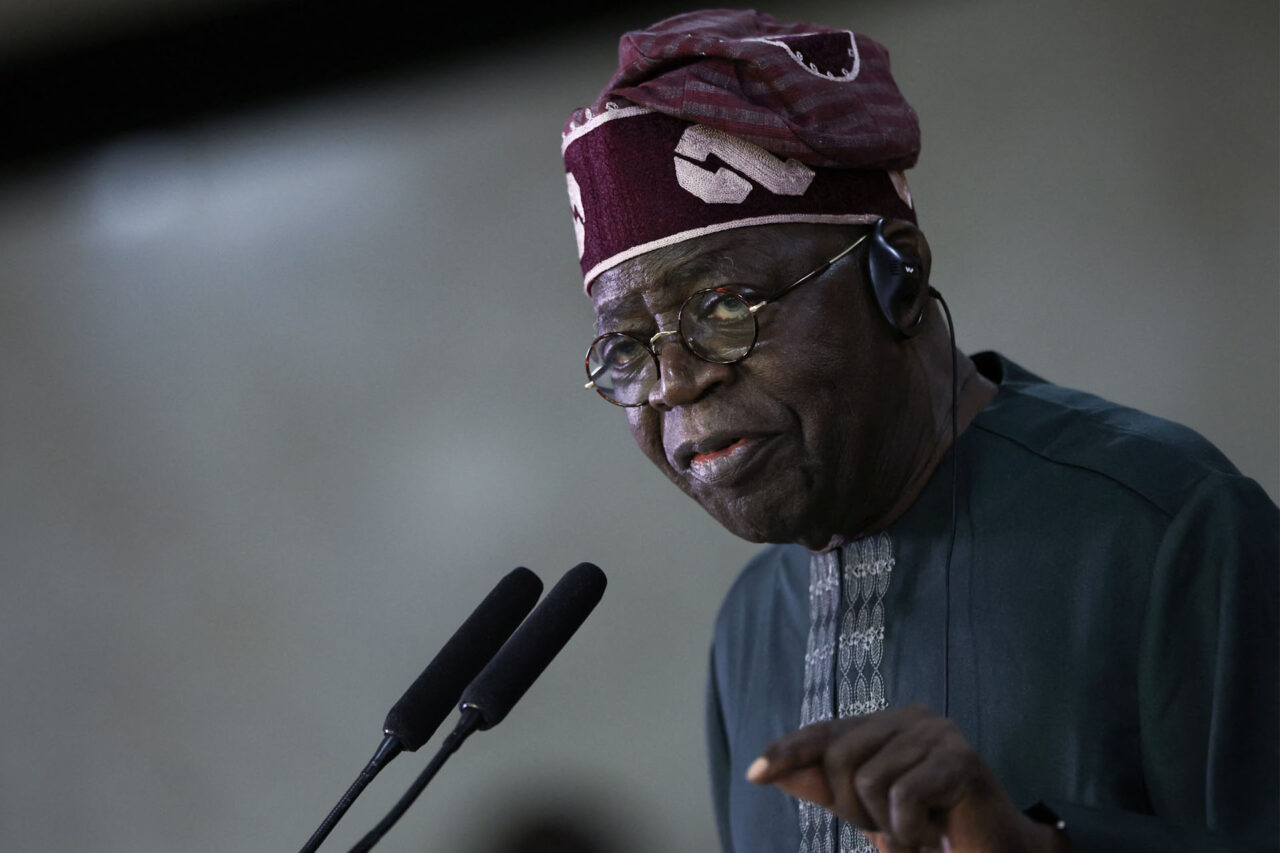
The leaders also criticized the economic policies of the President Bola Tinubu administration, particularly fuel subsidy removal and currency devaluation, which they said had contributed to rising living costs, declining purchasing power, unemployment, and widespread economic hardship.
The politicians called for urgent economic reforms, including substantial salary reviews towards a genuine living wage, stronger domestic production, investment promotion, job creation and measures to reduce inflation.
On insecurity, they demanded a proactive national security strategy built around intelligence, technology, adequately equipped security forces, community cooperation, economic opportunity and effective prosecution.
They rejected what they described as appeasement, selective enforcement and political complicity that enables violent groups to operate with impunity.
They pledged to defend Nigeria’s multi-party system and reject political monopolisation. “A democracy without meaningful opposition is merely an electoral ritual,” they said, affirming their commitment to the constitutional right of Nigerians to form political parties, contest elections, disagree with the government, and offer alternative programs without intimidation.
They also declared that national unity must be founded on justice and inclusion. “Unity cannot be built by suppressing differences; it must be built by guaranteeing justice within diversity,” they said.
The proposed alliance, according to the leaders, is not merely an anti-incumbency arrangement but an attempt to develop a credible governing alternative based on democratic accountability, economic justice, security, institutional reform, social inclusion and national development.

- Nigeria @66: Ododo Grants Pardon To 101 Inmates - October 1, 2026
- Nigeria Facing Most Severe Cost Of Living Crisis Under Tinubu – Atiku - October 1, 2026
- Ododo Leads Kogi Delegation To Kuwait, Secures Development Partnership - October 1, 2026