

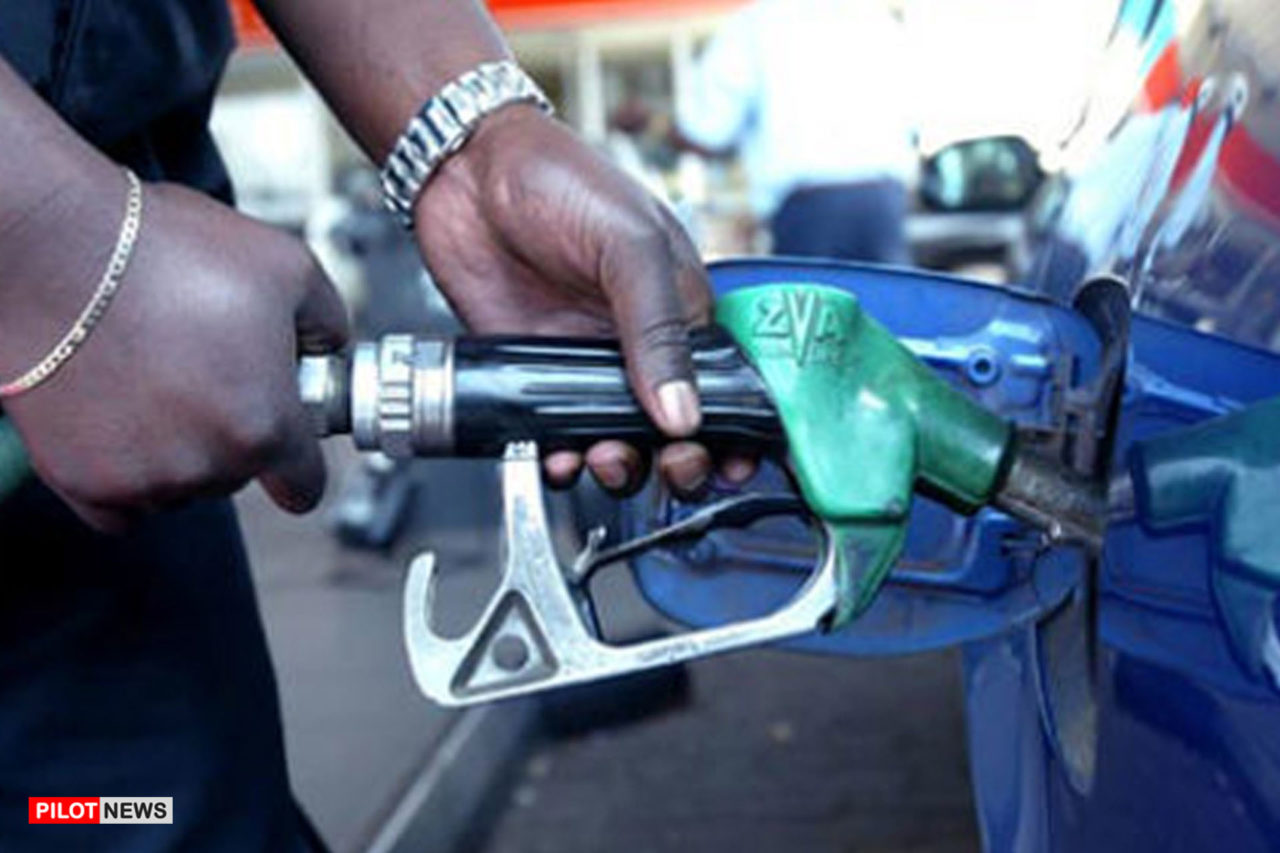
The Nigeria Labour Congress (NLC) has warned that Nigerians are facing a “full-scale survival crisis”, demanding an immediate reduction in petrol prices, a nationwide wage award and urgent negotiations for a new national minimum wage.
The NLC made the demands in an Independence Day statement signed by its President, Joe Ajaero, on Wednesday, 30 September 2026.
The statement, titled Our Hope Depends on the Choices We Make and the Actions We Take, said rising inflation, transport fares, food prices, rent and education costs had severely eroded workers’ purchasing power.
“We stand at the crossroads of a full-scale survival crisis. The real value of wages has been devoured by structural inflation. Petrol now sells at ₦1,430 per litre or higher in major cities and far more in remote areas,” the NLC said.
The union’s position comes amid renewed labour pressure over the rising cost of living. The Joint National Public Service Negotiating Council had separately demanded a reduction in petrol prices to ₦500 per litre, a wage award and a new minimum wage of at least ₦500,000 from 2027, while threatening a three-day warning strike if its demands were not addressed.
‘Where did subsidy savings go?’
The NLC blamed the worsening hardship partly on the removal of the petrol subsidy in May 2023, describing the subsequent price increase as a “systematic assault on the working class”.
It questioned how the savings from subsidy removal had been deployed, arguing that Nigerians had yet to see corresponding improvements in infrastructure and social services.
“Government claimed subsidy removal would free up resources for infrastructure and social services. Three years later, petrol prices have multiplied several times over, yet the promised infrastructure and social services remain mirages. Where exactly did the subsidy savings go? Nigerians deserve an answer, and they deserve it now,” it said.
The union also criticised Nigeria’s continued dependence on imported refined petroleum despite its status as one of Africa’s major oil-producing countries.
It argued that the situation had left workers vulnerable to fluctuations in international oil prices and called for greater investment in domestic refining.
NLC demands immediate wage award
The NLC said its immediate priority was a reduction in petrol prices, arguing that high transport costs had become a major driver of inflation.
“Without cutting this chain, any effort to ease the suffering of the people is futile,” it said.
It also demanded the immediate implementation of a nationwide wage award for workers in the federal, state and local governments.
“A wage award is not charity. It is an emergency intervention against the collapse of real income,” the NLC said.
The union further demanded the implementation of tax relief measures agreed during its October 2023 negotiations with the Federal Government.
It said the tax incentives contained in the Memorandum of Understanding signed by both sides had yet to be implemented.
‘₦70,000 minimum wage already destroyed’
On the national minimum wage, the NLC called for the immediate establishment of a tripartite committee to negotiate a new wage standard for 2027.
The demand comes ahead of the expected review of the current wage structure, which was signed into law in 2024 at ₦70,000.
“The current ₦70,000 minimum wage was already destroyed by inflation before it was implemented,” the NLC said.
The union wants the new wage standard to be formulated and legislated before the end of 2026.
The NLC had previously backed workers’ demands for a ₦500,000 minimum wage and a reduction of petrol prices to ₦500 per litre as measures to address the worsening cost-of-living crisis.
NLC demands lower cost of governance
The labour union also called for a reduction in the cost of governance and greater transparency in the management of public resources.
It said the government must lead by example at a time when workers were being asked to make sacrifices.
Beyond wages and petrol prices, the NLC demanded increased investment in roads, hospitals, schools and other social infrastructure.
It also called for the creation of meaningful economic opportunities for young Nigerians, saying they should “see hope instead of being preached to about hope”.
The union warned that the lack of opportunities was contributing to desperate migration, including dangerous journeys across the Sahara and Mediterranean.
‘Nearly 2,000 killed’ in Q1
On insecurity, the NLC said violence was worsening the country’s economic difficulties and threatening national stability.
It claimed that nearly 2,000 Nigerians were killed in violence during the first quarter of 2026, adding that insecurity had made it impossible for some farmers, teachers and doctors to carry out their work.
The union linked poverty, unemployment, desperation and inequality to violence and crime.
“Without addressing distributive justice, insecurity cannot be cured, and without curing insecurity, no economic recovery is possible,” it said.
The NLC’s figure of nearly 2,000 deaths was also reported by other Nigerian media, although the union did not identify the source of the figure in its statement.
2027: Labour warns politicians
With political activities gathering momentum ahead of the 2027 general elections, the NLC warned political actors against manipulating elections, intimidating voters or exploiting ethnic and religious divisions.
The NLC said it would eventually use its Workers’ Charter to set out the policies and candidates it believed deserved the support of workers.
It, however, stressed that workers retained the right to make independent political choices.
The union’s intervention comes as political parties and aspirants begin preparations for the 2027 elections, placing the economic concerns of workers increasingly at the centre of political debate.
“The Nigeria Labour Congress will always stand on the side of workers, fighting to the end for decent wages, safe workplaces, and a life of dignity,” Ajaero said.

- Wike: I’ll Resign If Tinubu Loses FCT, Rivers in 2027 - October 1, 2026
- Independence Day: Mutfwang Pardons 130 Inmates, Commutes 4 Death Sentences - October 1, 2026
- Tinubu Extends 2025 Budget to December, Fourth Extension in One Year - October 1, 2026