

Security agencies and electoral officials in Plateau State have begun preparations to prevent election-related violence in 2027, identifying vote-buying, political thuggery, hate speech and the misuse of artificial intelligence as potential threats.
The Plateau State Police Command disclosed this on Thursday at a stakeholders’ meeting with political party leaders and candidates at the Police Officers’ Mess in Jos.
The meeting was attended by representatives of the Department of State Services (DSS), the Independent National Electoral Commission (INEC), the Nigerian Army, the National Orientation Agency (NOA) and the Inter-Party Advisory Council.
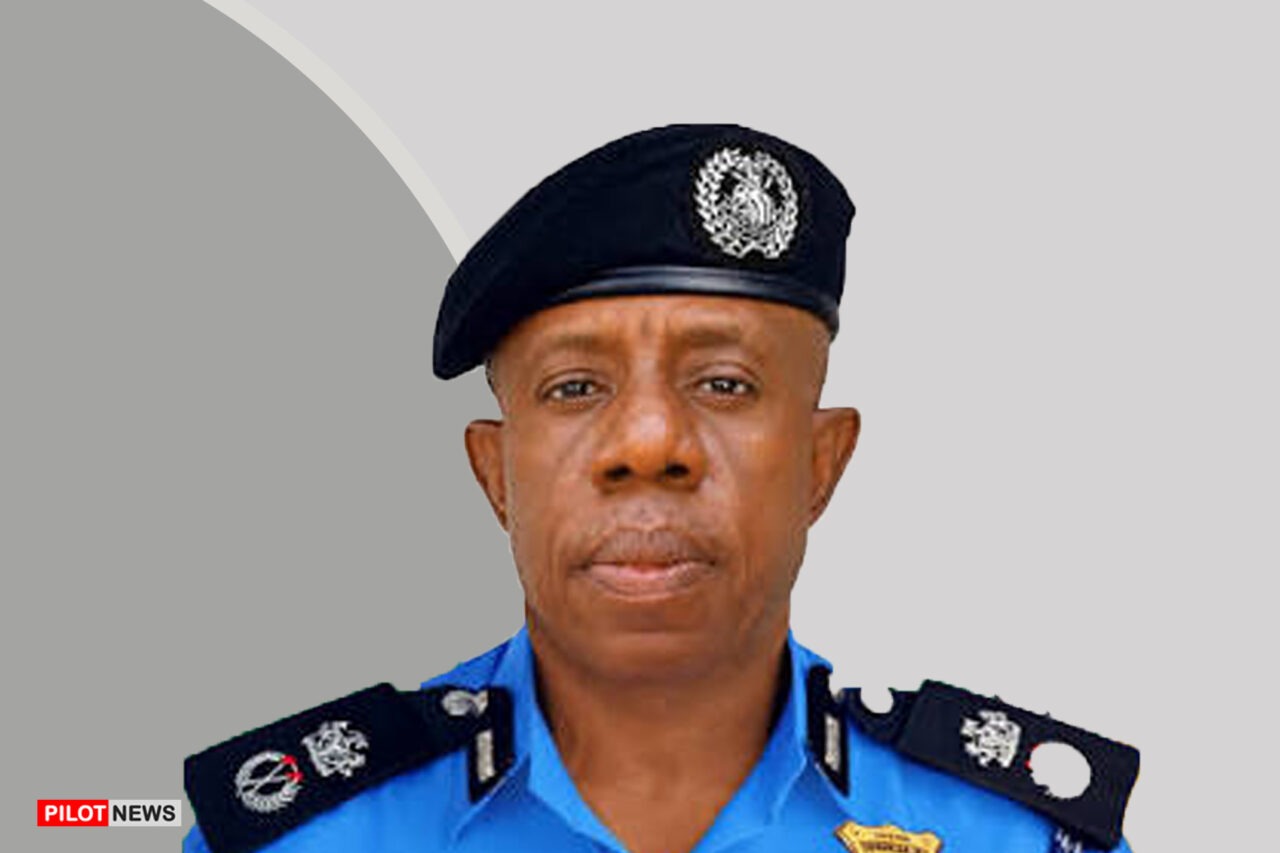
The Commissioner of Police, Faniyan Ayodeji, said the meeting was convened to build consensus among political actors and security agencies towards ensuring peaceful, credible and transparent elections.
He acknowledged concerns about Plateau being identified as a potential flashpoint ahead of the elections but said the police were taking proactive steps to prevent violence.
“We have observed some flashpoints in terms of insecurity, and as the election period approaches, a lot of attention and focus is being directed toward Plateau State. Our duty as security agencies is to disappoint those who are expecting or predicting violence,” he said.
Ayodeji disclosed that the Inspector-General of Police had been briefed on the state’s security situation and had approved additional personnel and logistics to address emerging threats.
He said the command was working with other security agencies to identify areas with a history of electoral violence and assess threats associated with political campaigns.
“We are already making preparations — highlighting potential threats in terms of election-related violence and other associated criminality that can be triggered by election activities. We are willing and ready to collaborate with all political parties and aspirants. We will make adequate security plans and provide adequate security protection for all,” he said.
The police commissioner listed vote-buying, thuggery, hate speech, incitement, inter- and intra-party conflicts, and the misuse of artificial intelligence and social media as issues requiring close monitoring.
He urged political parties and their candidates to comply with the Electoral Act and avoid inflammatory rhetoric capable of triggering violence.
“Election is not a do-or-die affair. Election should not ignite violence. Election should not divide us. Every party has ample opportunity to talk to the people and canvass for votes as much as possible, and then we all wait for voting day and let the people make their choice,” he said.
Ayodeji also pledged police neutrality, saying the command would provide security for all political parties and candidates without discrimination.
“I want to assure you that the Nigeria Police, as the lead agency in internal security, in collaboration with all other agencies, will guarantee neutrality. We shall be neutral. We have no choice. We have demonstrated this severally in other places. You saw our performance during the recent off-cycle elections in the western states. The Inspector General of Police has issued directives that we must perform even higher than before,” he said.
He added that the command had sufficient personnel to cover polling units across the state, with patrol vehicles available for rapid response. Intelligence operations, he said, were also ongoing to identify individuals who exploit disturbances for personal gain.
The Plateau State Director of the DSS, Paul Damian, said the service would work with other security agencies to ensure adequate protection before, during and after the elections.
“We will work in synergy with other sister agencies to provide adequate security during the election,” he said.
Damian argued that responsible conduct by political parties and electoral officials would reduce the burden on security agencies.
“Some people have made comments whether the police or the security agents have enough manpower to cover all the places. I was just thinking about it and I came to the conclusion that if INEC and the politicians will conduct themselves and do what is expected of them, you don’t need security agents in all places,” he said.
He pledged to remain impartial and ensure that personnel under his command performed their duties professionally.
The State Director of the NOA, Kaneng Tabitha Pam-Hworo, urged political parties to mobilise their supporters to collect their Permanent Voter Cards and reject vote-buying.
“Are you ready for this election? Are you ready? Do you have your PVC ready? Your PVC must be ready, so that during the election, you will not resort to vote-buying or compelling people to sell their votes. If on election day you do not have your PVC, please remain at home,” she said.
Pam-Hworo reminded political actors that only one governorship seat would be available and urged them to accept the outcome peacefully.
“In every election, there is a winner and there is a loser. For the governorship of this state, only one seat is available. Only one person will win. Even after the elections, it is very important that we maintain peace,” she said.
She warned party leaders against allowing their supporters to disrupt voting, noting that violence at polling units could lead to the cancellation of results.
The NOA director also condemned the spread of misinformation and character assassination, urging politicians to avoid deliberately misleading the public to gain political advantage.
Meanwhile, the Plateau State Resident Electoral Commissioner, Prof. Sam Egwu, represented by the Head of Electoral Operations, said INEC was preparing to deliver a peaceful, free and transparent election.
He disclosed that the commission was developing measures to ensure that persons with disabilities and internally displaced persons (IDPs) could participate in the electoral process.
“The Commissioner has also asked me to inform you that this election will be inclusive — meaning all sectors of society will have the opportunity to vote. Whether persons are living with disabilities or are internally displaced, there will be an opportunity for them to vote,” he said.
Egwu’s representative identified Wase, Mangu, Barkin Ladi, Bokkos and Bassa among the local government areas where the commission had identified challenges relating to internally displaced persons.
The commission appealed to stakeholders to provide information on displaced communities not already captured in its assessment, adding that it was working with organisations at the national level to facilitate their participation.

- Tinubu, Nollywood Mourn Francis Duru - October 23, 2026
- Police, DSS, INEC Meet Political Parties in Plateau Over Election Violence - October 23, 2026
- Tinubu Appoints Ex-DSS Boss Bichi NISS Board Chairman - October 23, 2026