

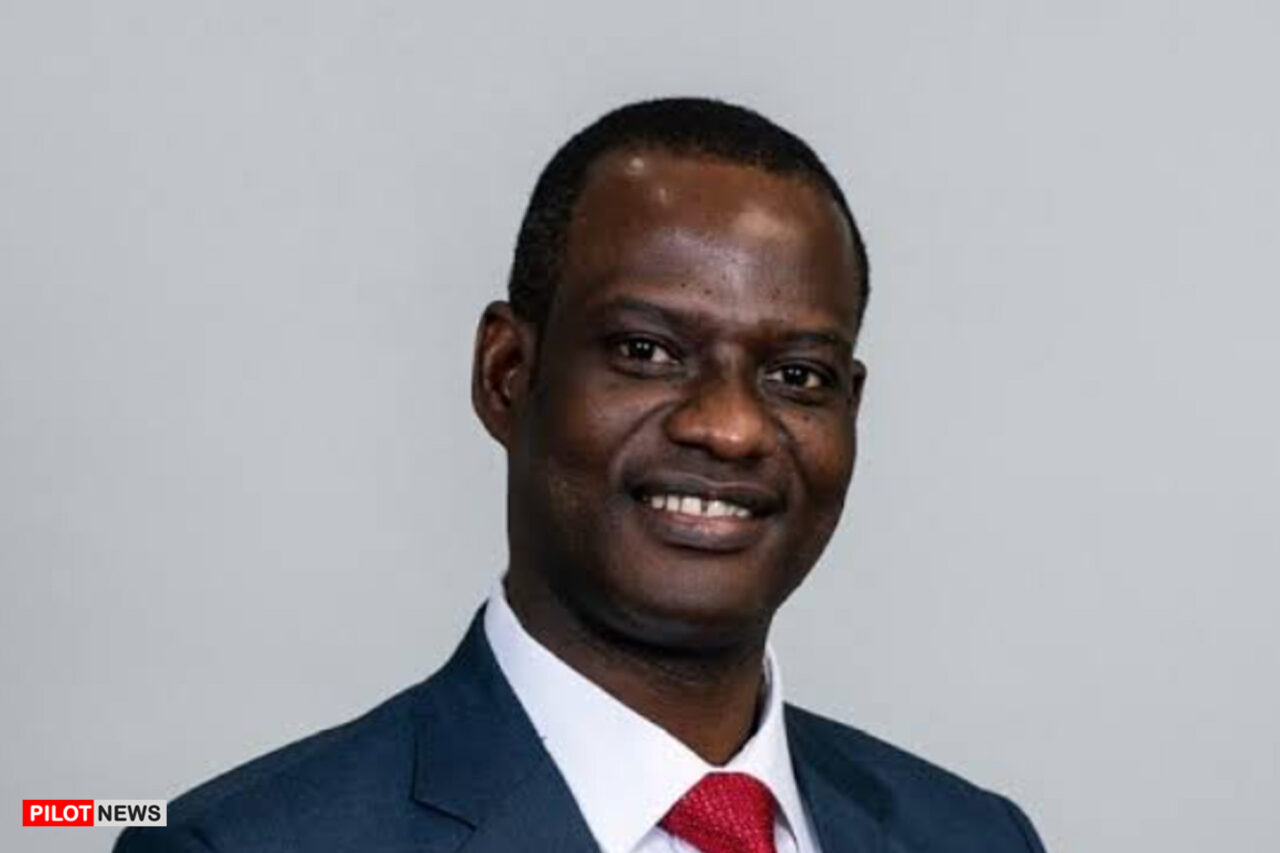
The Presidential Fiscal Policy and Tax Reforms Committee has rejected most of the concerns raised by global advisory firm, KPMG, over Nigeria’s new tax laws, describing the firm’s publication as largely based on “misunderstanding of the policy intent” and the presentation of “opinion and preferences as facts.”
The committee, in a detailed response, dated 10 January 2026, by its chairman, Taiwo Oyedele, acknowledged that KPMG raised a few useful points, particularly on implementation risks and clerical matters. However, it faulted the general tone and substance of the report.
“We welcome all perspectives that contribute to a shared understanding and successful implementation of the new tax laws. We acknowledge that a few points raised by KPMG are useful, particularly those related to implementation risks and clerical or cross-referencing issues. However, the majority of the publication reflected a misunderstanding of the policy intent, a mischaracterisation of deliberate policy choices, and, in several instances, repetitions and presentation of opinion and preferences as facts,” the committee stated.
In its newsletter titled Nigeria’s New Tax Laws: Inherent Errors, Inconsistencies, Gaps and Omissions, KPMG said the new Nigeria Tax Act (NTA) and Nigeria Tax Administration Act (NTAA) contain “errors, inconsistencies, gaps, omissions and lacunae” that must be urgently reviewed.
The firm noted that although the laws could increase government revenue, caution was required.
“There are many provisions in these laws that will result in increased revenue for the government, if well implemented. However, there is always the need to strike a delicate balance between revenue generation and sustainable growth,” KPMG said.
“It is, therefore, critical that the government review the gaps, omissions, inconsistencies and lacunae highlighted in this Newsletter to ensure the attainment of the desired objectives.”
KPMG stated that the objectives of the reforms include equity and fairness, simplification, efficiency, competitiveness, improved revenue generation, and economic growth. However, it warned that certain provisions could undermine these goals.
The committee said many of the issues described by KPMG as “errors” or “gaps” were: “the firm’s own errors and invalid conclusions,” “issues not properly understood by the firm,” “missed context on broader reforms objectives,” and “areas where KPMG prefer different outcomes than the choices deliberately made in the new tax laws.”
It stressed that policy disagreements should not be presented as legal errors. “While it is legitimate to disagree with policy direction, disagreements should not be framed as errors or gaps,” the committee said.
Concerns that taxing chargeable gains would trigger a stock market sell-off were deemed misleading by the committee. It explained that the tax rate is not a flat 30 percent, but rather “structured from 0% to a maximum of 30%, which is set to reduce to 25%,” with 99 percent of investors enjoying unconditional exemption.
It added that the stock market was currently at an all-time high, showing that investors understood the reforms. “The sell-off narrative is unsubstantiated,” the committee said.
KPMG proposed that the law should take effect on 1 January 2026, aligning with accounting periods. The committee rejected this, stating that such a suggestion overlooked the complexity of tax transitions across multiple periods and systems.
“KPMG’s proposal is therefore not a ‘gold standard’ to be applied to all new laws as suggested,” it said.
Regarding the taxation of indirect share transfers, the committee stated that the provision adhered to global best practices and aimed to close existing loopholes.
“It is a policy choice aligned with global best practices and BEPS initiatives… the assertion that it may affect the country’s economic stability is disingenuous,” it said.
The committee dismissed KPMG’s call for a specific VAT exemption on insurance premiums, stating that insurance premiums are not taxable supplies under Nigerian law. “If it is not broken, don’t fix it,” it added.
Regarding KPMG’s concern about the inclusion of “community” in the definition of a person, the committee stated that statutory interpretation already addresses this. “The use of the word ‘includes’ further signifies that the list of taxable persons is not exhaustive,” it explained.
It also defended the composition of the Joint Revenue Board, saying it was intentional and consistent with past practice.
Regarding dividend treatment, the committee stated that KPMG had confused foreign-controlled companies and the foreign operations of Nigerian companies, noting that the distinction in treatment was deliberate.
KPMG had argued that non-residents whose income is subject to final withholding tax should not be required to register. The committee disagreed, saying filing returns serves broader purposes beyond revenue collection.
The committee warned that some of KPMG’s recommendations would harm reform objectives.
These include: exempting foreign insurance companies from tax on Nigerian premiums, which it said would hurt local firms; allowing tax deductions for parallel market foreign exchange, which it said would weaken efforts to stabilise the naira; and llowing deductions where VAT was not charged, which it described as an anti-avoidance risk.
On personal income tax, the committee defended the 25 per cent top marginal rate. “In reality, the effective tax rate can be as low as 22% for an individual earning billions a year simply by contributing 10% to pension,” it said. It added that the rate compares favourably with Ghana, Kenya, South Africa, the UK and the US.
The committee stated that KPMG incorrectly called for the repeal of the Police Trust Fund tax provision, noting that the Act had expired in June 2025. It also stated that KPMG’s concern over small company verification was not new and predated the new tax laws.
According to the committee, KPMG overlooked key benefits of the reforms, including tax harmonisation and simplification, a reduction in corporate tax from 30% to 25%, expanded VAT input credits, tax exemptions for low-income earners and small businesses, the elimination of minimum tax on turnover and capital, and improved investment incentives.
KPMG, however, maintained that several sections of the law require urgent review.
On non-resident taxation, it said: “This in, our view, cannot be the intention of the law. The intention should be that non-residents that do not have PE or SEP in the country should not be required to file tax returns as provided for in Section 11(3) of the NTAA.”
On communities, it said: “The section specifies persons on whom taxes should be levied… but omits ‘community.’ However, ‘community’ is included in the definition of ‘person’ under Section 201.”
On dividends, KPMG said: “It thus appears that such dividends will be taxed at the income tax rate. Consequently, there will be differences in the treatment of dividends distributed by Nigerian companies and those distributed by foreign companies.”
On foreign exchange deductions, it stated: “We do not think that this condition is necessary at this time. With the current state of the economy, focus should be on improving liquidity and introducing stricter reporting requirements to track and monitor foreign exchange transactions.”
On VAT-linked deductions, it said: “This means that such expenses will not be considered allowable tax deductions even when those expenses have been validly incurred for business purposes.”
On personal income tax, KPMG warned: “Over taxation can negatively affect economic growth while under taxation can increase inequality.”
In its conclusion, the Presidential Committee stated that the reforms were based on extensive consultations and public hearings, and that minor clerical discrepancies were already being addressed.
“The tax reform represents a bold step toward a self-sustaining and competitive Nigeria,” it said. “We urge all stakeholders to pivot from a static critique to a dynamic engagement model, which allows for clarifications and a productive partnership in the implementation of the new tax laws.”

- Tinubu, Nollywood Mourn Francis Duru - October 23, 2026
- Police, DSS, INEC Meet Political Parties in Plateau Over Election Violence - October 23, 2026
- Tinubu Appoints Ex-DSS Boss Bichi NISS Board Chairman - October 23, 2026