
The Senate on Wednesday passed for second reading a bill seeking tougher penalties for the manufacture and distribution of counterfeit medicines and unsafe food products, including a proposed 15-year prison sentence for medicine hawkers.
The proposed Counterfeit Medical Products, Fake Drugs and Unwholesome Processed Foods (Prohibition and Control) Bill, 2026 (SB.951), sponsored by the Senator representing Kwara North, Umar Suleiman, also provides for the forfeiture of assets, compensation for victims and expanded enforcement powers for the National Agency for Food and Drug Administration and Control (NAFDAC).
If enacted, the bill will repeal the existing Counterfeit and Fake Drugs and Unwholesome Processed Foods Act and replace it with a new legal framework to tackle emerging threats such as online drug sales, cross-border trafficking, sophisticated counterfeiting methods, and organized criminal networks.
Leading the debate, Suleiman said the current law was no longer adequate to address the growing complexity of counterfeit drug operations.
He said the proposed legislation was designed to protect Nigerians from preventable deaths and disabilities caused by fake medicines, while restoring public confidence in the country’s healthcare system and the legitimate pharmaceutical industry.
He said, “This bill criminalises the production, importation, manufacture, transportation, distribution, sale, possession and facilitation of counterfeit medical products, fake drugs and unwholesome processed foods. It also outlaws the production or possession of counterfeit labels, wrappers, packaging materials and equipment used in the manufacture of fake products.”
The bill also prohibits the sale and hawking of medicines at unauthorized locations, including open markets, motor parks, roadside stalls, buses, ferries, and unlicensed online platforms.
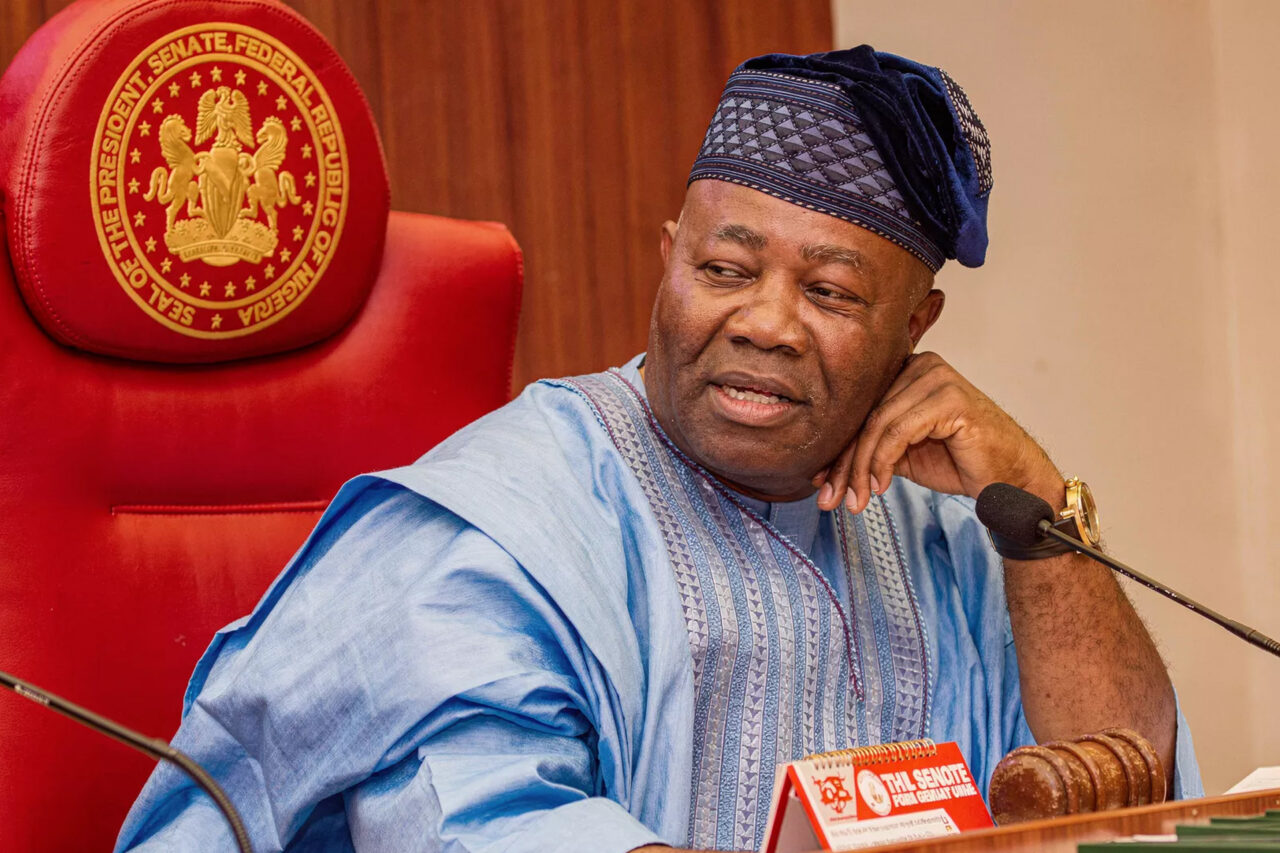
Speaking after the debate, Senate President Godswill Akpabio said issues raised over the relationship between the proposed legislation and the NAFDAC Act would be resolved during the committee stage.
“Offenders risk up to 15 years’ imprisonment, heavy fines, compensation to victims or their families, sanctions against corporate organizations and their directors, as well as forfeiture of assets linked to the offenses,” Akpabio said.
To strengthen enforcement, the bill empowers NAFDAC to deploy modern product-tracking technologies, establish national and state enforcement task forces, inspect facilities, seize counterfeit products, arrest suspects, seal premises and intensify surveillance at the nation’s ports of entry.
It also gives the Federal High Court exclusive jurisdiction over offences under the proposed law and provides for accelerated trials to ensure speedy prosecution.
Suleiman described the bill as a critical public health measure that would protect consumers, safeguard legitimate businesses and align Nigeria’s anti-counterfeit laws with international best practices.
The proposal received broad support from senators, although several lawmakers called for clarity on how it would operate alongside the existing NAFDAC Act.
The Senator representing Akwa Ibom South, Samson Ekong, described the bill as timely, warning that the widespread circulation of fake medicines had resulted in avoidable deaths across the country.
He said the Senate must send a strong message that the manufacture and distribution of counterfeit drugs would no longer be tolerated by introducing tougher penalties.
Also contributing, the Senator representing Edo North, Adams Oshiomhole, said virtually every Nigerian had either fallen victim to fake medicines or remained at risk.
While commending NAFDAC for its efforts, he said counterfeit drugs continued to circulate widely in both rural and urban communities, contributing to serious health conditions, including kidney-related diseases and organ failure.
He described fake medicines as “instruments of death” and urged lawmakers to support stronger sanctions against offenders.
Deputy Senate President Barau Jibrin, however, urged the committee handling the bill to clearly define its relationship with the NAFDAC Act to avoid duplication of responsibilities.
He said concerns about potential conflicts had eased after it became clear that NAFDAC supported the proposal due to gaps in the existing legal framework.
Barau urged the committee to ensure the legislation complements, rather than duplicates, the agency’s statutory responsibilities.
The Senator representing Ondo Central, Adeniyi Adegbonmire, also backed the bill but questioned whether some of its provisions were already covered by the NAFDAC Act, warning against overlapping regulatory functions.
Former Senate Leader Yahaya Abdullahi, who represents Kebbi North, supported the proposal but recommended that pharmaceutical stakeholders and relevant regulatory agencies be invited to the public hearing.
He said the committee should determine whether amending existing laws would achieve the same objective instead of creating overlapping responsibilities.
Similarly, the Senator representing Anambra Central, Victor Umeh, observed that tackling fake drugs and unsafe food products already falls within NAFDAC’s statutory mandate, but supported the bill’s progress.
He expressed confidence that consultations with NAFDAC during the public hearing would help lawmakers determine the most appropriate legal framework.
After passing second reading, the Senate referred the bill to the Committee on Health (Secondary and Tertiary), which was given four weeks to submit its report.

- 2027 Election: INEC Releases Final List of 18 Presidential Candidates - October 12, 2026
- FG Announces 30-Day Petrol Discount at NNPC Stations - October 8, 2026
- 20 Abducted NYSC Members Rescued After Seven Days - October 8, 2026