

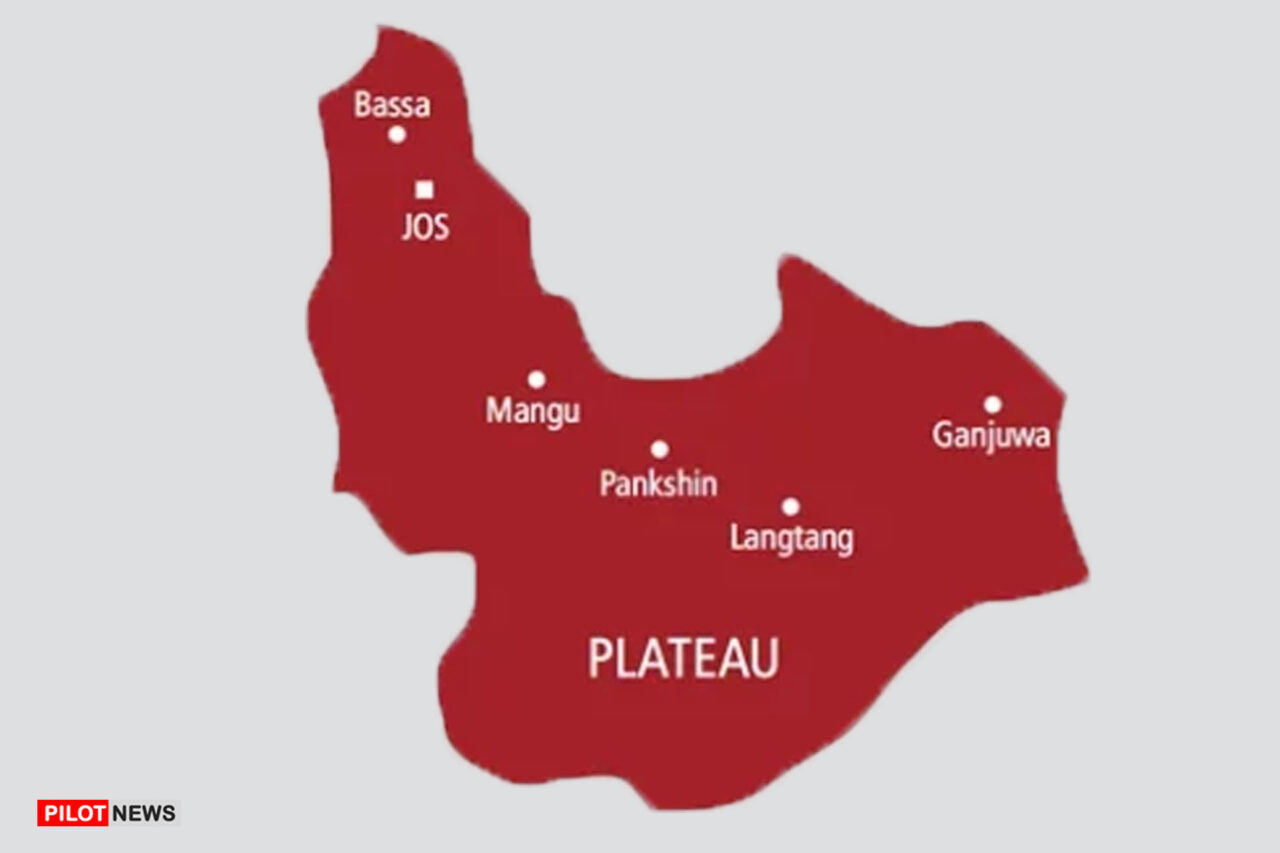
In a move to rid off illegal drug outlets across Plateau State, the Pharmacists Council of Nigeria, PCN, has sealed 572 pharmacies, patent medicine stores over regulatory violations.
The facilities were alleged to be operating without valid licences, unauthorised clinical practice, illegal drug sales and obstruction of inspectors.
The four-day enforcement exercise, which began on Monday, covered Jos North, Jos South, Mangu, Shendam, Barkin Ladi, Qua’an Pan and Bassa local government areas.
Addressing journalists in Jos on Friday, Head of PCN’s Enforcement Department, Dr Suleiman Chiroma, said 572 premises were sealed, including 120 pharmacies, 372 patent medicine stores and all 80 illegal medicine outlets identified during the operation.
According to him, 778 premises were inspected, comprising 199 pharmacies, 499 Patent and Proprietary Medicine Vendors (PPMVs) and 80 illegal medicine outlets.
He said five compliance directives were also issued.
“About 60 per cent of the pharmacies inspected failed to meet minimum operational standards, warning that such violations pose serious public health risks.
“The exercise was carried out in line with the provisions of the Pharmacists Council of Nigeria Act and the National Drug Distribution Guidelines (NDDG),” Chiroma said.
The PCN reiterated its commitment to strengthening pharmaceutical regulation and protecting the public from the dangers posed by illegal medicine vendors.
Commenting on the exercise, a senior pharmacist at Jos University Teaching Hospital, Pharm. Kyenret Joshua, said all pharmacy premises in Nigeria are required to be registered with the PCN, while retail pharmacies can only be owned and operated by licensed pharmacists.
She warned that illegal operators and quacks undermine patient safety by dispensing medicines without adequate knowledge of dosage, drug interactions and patient counselling.
“The activities of illegal operators and quacks within the healthcare system have greatly affected both the system and patients,” she said.
Also speaking, Pharm. Eghele Ajila described the proliferation of unregistered medicine outlets as a major public health concern, warned that fake and substandard medicines can result in treatment failure, antimicrobial resistance, severe adverse reactions and, in some cases, death.
“Such outlets often source medicines through unverified supply channels, increasing the risk of counterfeit, substandard and expired products reaching consumers.
“These outlets often source their products from unverified and cheaper supply channels where counterfeit, substandard, and expired medicines can easily enter the market,” he said.
Ajila called for stronger enforcement by regulatory agencies and sustained public awareness campaigns to discourage patronage of unregistered drug outlets.

Veteran journalist and recipient of A.B.C Yola, Reporter of the Year Award (1997), Hassan Umar Shallpella, works with WAP as a Regional Correspondence. He was trained at Institute of Mass Communication and Technology Jos and Federal Radio Corporation of Nigeria, Training School Lagos.He was a News desk Editor and a Correspondent at the Punch newspaper and till 2019, was the Deputy Editor ofThe Scope newspaper.
Latest posts by Hassan Umar Shallpella (Regional Correspondent) (see all)
- Opposition Political Parties In Nigeria Form Coalition To Unseat Tinubu - October 22, 2026
- Federal Government Vows To Handle Ebola Disease Crisis in Nigeria - October 22, 2026
- Over 4,000 Flood Victims In Nasarawa State Lacks Clean Water, Medical supplies - October 22, 2026
previous
The Anambra Crucible: Why Soludo’s War On “Fakes” Is A Battle for the Soul of Society
next